A Guide To Mixing Textures In Interior Design

By Ana Zuravliova
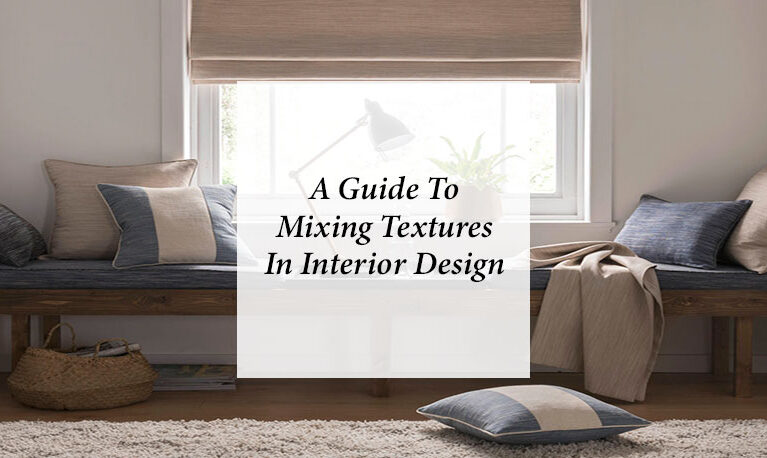
In recent months we’ve explored different colour and pattern combinations, but what about textures?Texture is one of the most powerful yet often overlooked elements of interior design. When used tactfully and correctly, textures will add depth, warmth, and visual interest to any room. Mixing different textures can transform a one dimensional room into a dynamic and inviting environment that’s cosy and relaxing. Whether you’re designing a modern minimalist home or a cosy rural inspired retreat, understanding how to best use textures can make all the difference.
Why texture matters in interior design
Texture refers to the surface quality of materials influencing not just how they feel, but how they look. Textures play a crucial role in defining the atmosphere of a room with rough textures – such as wood or woven fabrics – manifesting a sense of warmth and comfort, while smooth and glossy surfaces, like glass and metal, add sleek sophistication. By mixing textures, you can achieve:
- Visual contrast: Combining soft and hard materials enhances a room’s aesthetics by adding different points of interest.
- Tactile appeal: A variety of textures invites touch and interaction making a room more homely
- Balance and harmony: Combining different textures will prevent a space from feeling uninspiring or monotonous.
3. Play with patterns and finishes
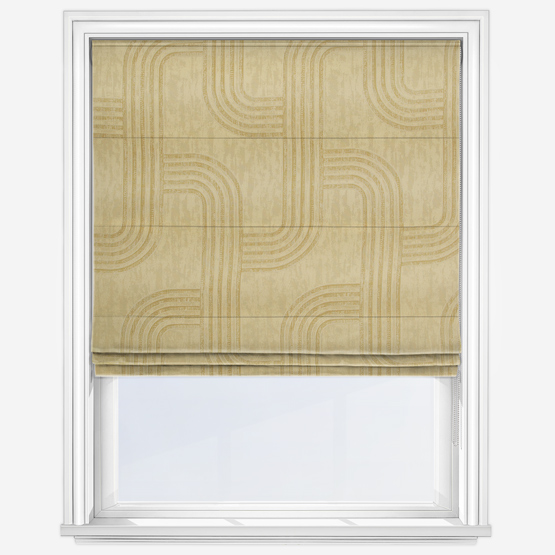
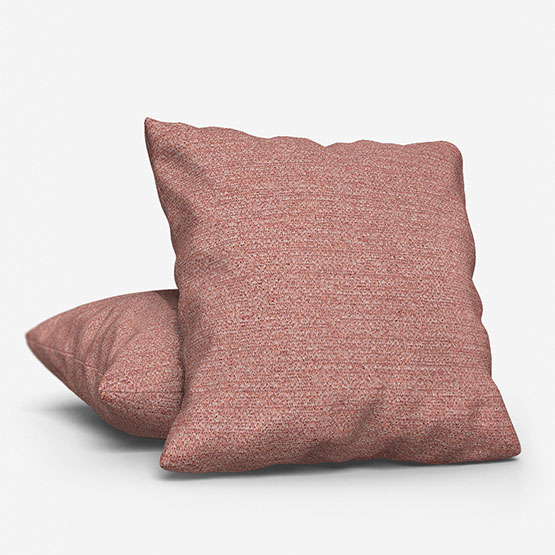
Carefully considered patterns contribute to the perception of your chosen textures. A wool Roman blind, rug, a faux fur throw, or a velvet cushion can introduce an extra layer of depth.
Floral patterns, geometrics and stripes can all work in harmony with your different textures to add a unique richness and depth to a space. Whether its a minimalist or maximalist, classical or contemporary, the right arrangement of textures with pops of pattern will transform your home into an oasis or serenity and calm.
4. Balance the contrast
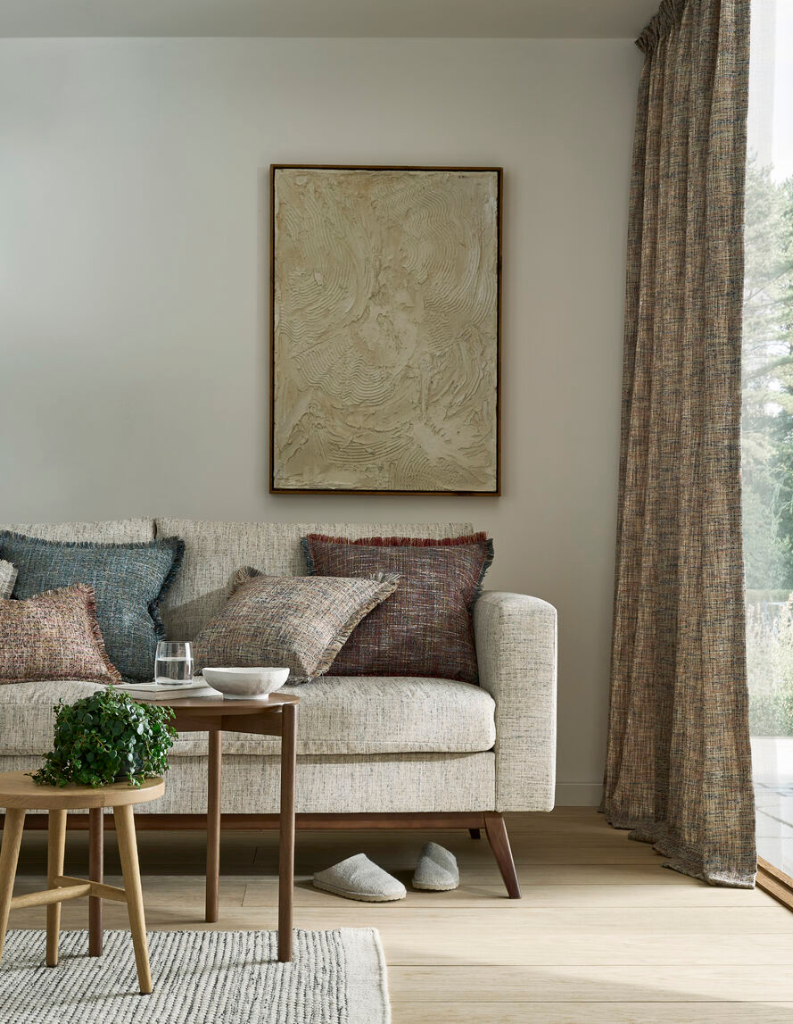
Too much of one texture, or to many different styles can feel overwhelming, so aim for balance. If your furniture is highly textured, opt for smoother walls and blinds alongside sleek accessories.
Conversely, in a minimalist space, use textured elements like a shaggy rug or a rough stone fireplace to prevent the room from feeling too sterile and simply add a pop of textured interest.
How to best mix textures
1. Start with a base texture
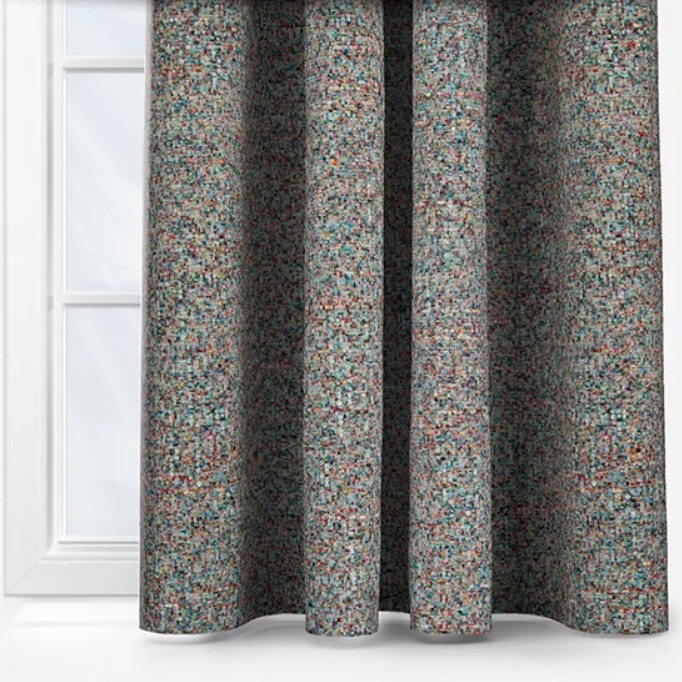
Every room needs a foundational texture to set the tone. This could be a large fabric sofa, a large, rich velvet curtain, or even a hardwood floor. For best results, choose a base texture that aligns with your overall style and use it as a reference point for other elements.
2. Layer different materials
From this foundation, a mix of materials and textures can add richness to your space. Some effective combinations include:
- Wood and Metal: A contrasting blend of rustic wood (wooden blinds or shutters) and industrial metal creates a modern yet warm look.
- Silk and Linen: The contrast between gentle silks and soft linen adds a sense of casual elegance. Layering a window with both materials is an ideal first step.
- Glass and Woven Fabrics: Transparent coloured glass paired with richly textured textiles like wool adds balance, harmony and depth.
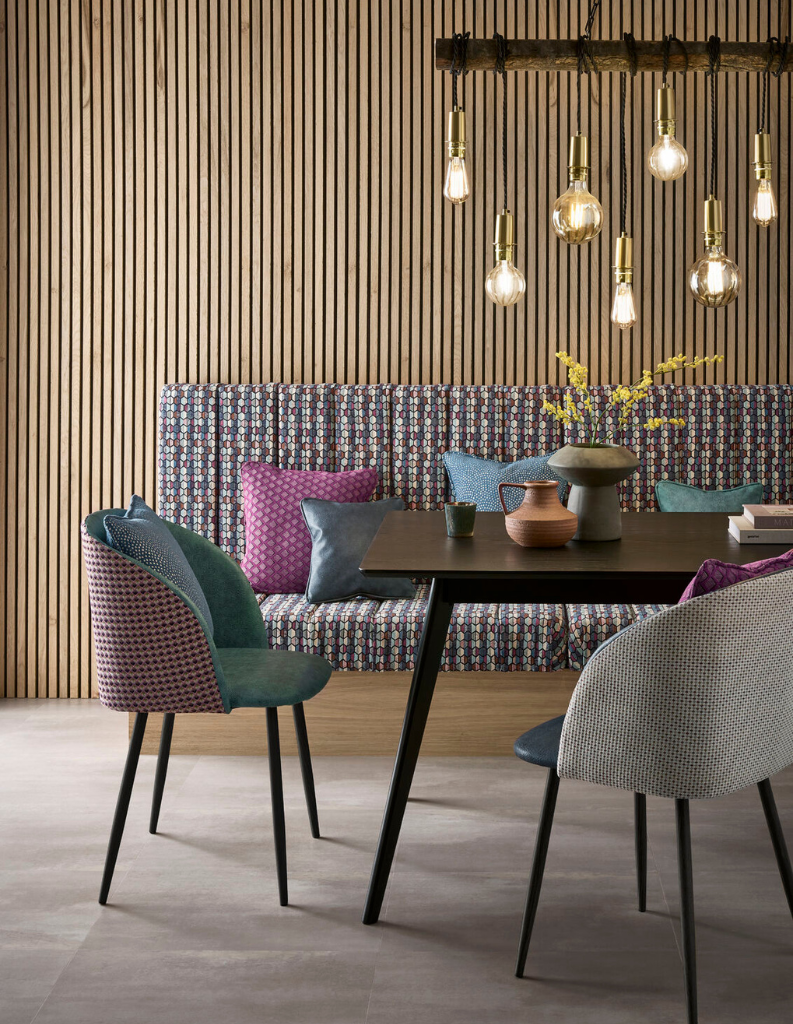
Mixing textures is an art that enhances both the visual and sensory experience of a space. By thoughtfully layering different materials, finishes, and textiles, you can create a home that feels cosy, stylish, and uniquely yours. Whether you’re starting from scratch or looking to refresh your decor, embracing texture will bring depth and dimension to your interiors. Don’t forget, to feel the different textures of your options, you can order up to eight free samples.
Shop our favourite products featuring beautiful textures