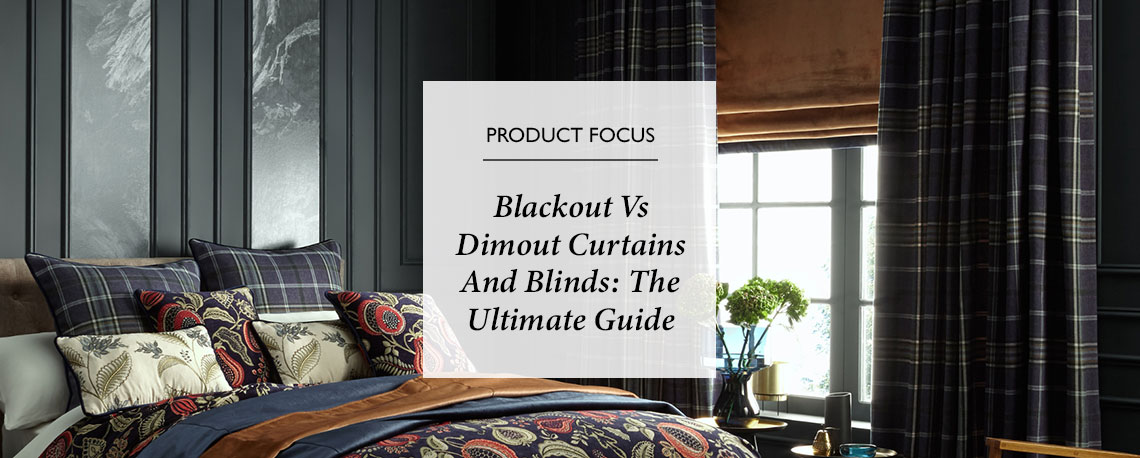
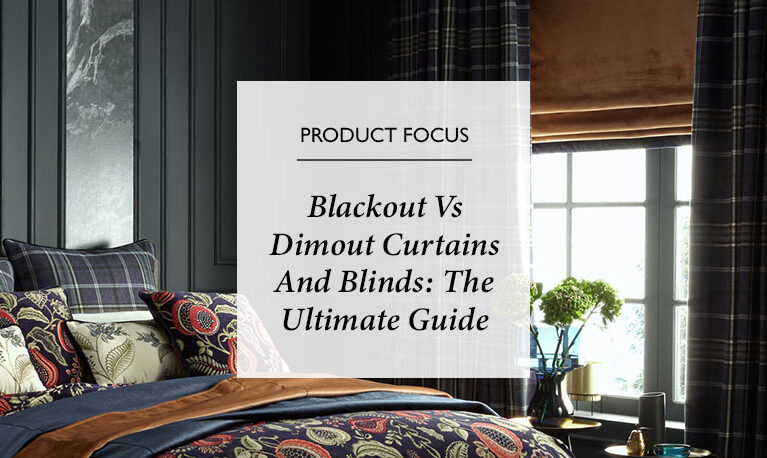
Blackout vs Dimout Curtains & Blinds: The Ultimate Guide
Controlling light can completely change a room’s mood and how you live in it. Harsh morning sun can ruin your sleep, glare can frustrate your eyes while working, and fading fabrics or furniture can silently damage your interiors. The right window treatment helps you sleep deeper, work more comfortably, and even cut energy bills. With the perfect curtains or blinds, a bright, chaotic space can become a calm retreat, or your home can simply feel more stylish and put-together.
In this guide, we’re taking a close look at blackout and dimout curtains and blinds: what they do, which rooms they suit best, and how to choose the right option for your lifestyle.
Table of contents
What Are Blackout Curtains and Blinds?
What Are Dimout Curtains and Blinds?
Curtains vs Blinds: What’s the Difference?
What Are Blackout Curtains and Blinds?
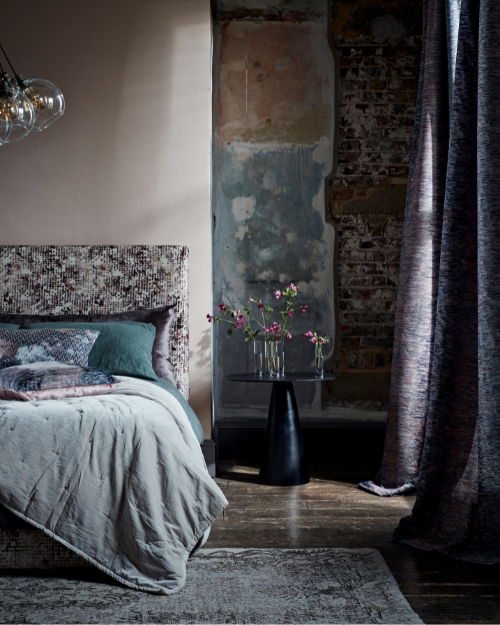
Blackout curtains and blinds are designed to block almost all light entering a room, around 99–100%. They’re ideal when you need complete darkness, but their benefits extend beyond sleep. Blackout fabrics are dense, often layered or triple-woven, sometimes with special coatings to enhance light blocking.
Why blackout?
- Better sleep: Essential for bedrooms, nurseries, and anyone sensitive to light.
- Energy efficiency: Keeps rooms warmer in winter and cooler in summer.
- Privacy and quiet: Blocks outside light and reduces noise, ideal for urban homes.
- Screen clarity: Prevents glare on TVs and monitors.
Blackout options tend to be heavier, using fabrics like polyester blends, velvet, or wool. They’re best for spaces where you need complete darkness, such as bedrooms, home cinemas, and nurseries.
What Are Dimout Curtains and Blinds?
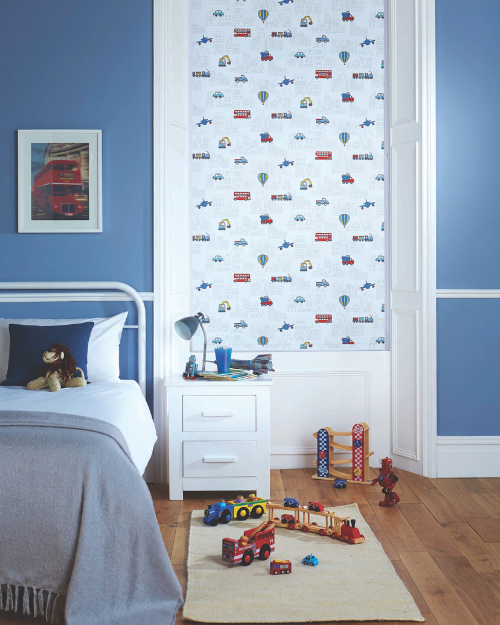
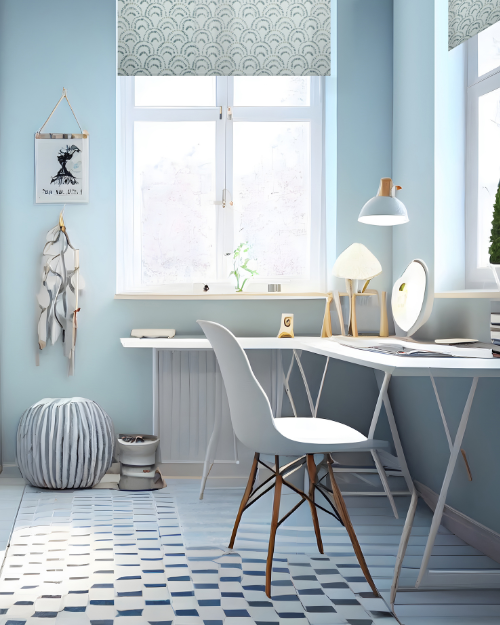
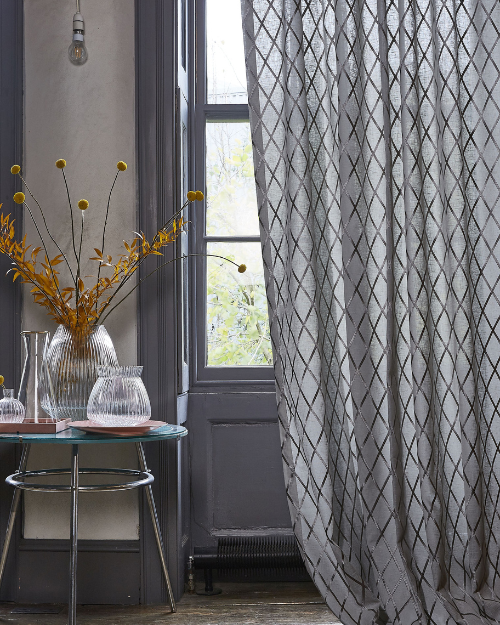
Dimout fabrics soften incoming light, reducing glare and creating a gentle, diffused ambiance. They’re made from lighter or medium-weight materials, sometimes with a light-filtering layer, so you get privacy without total darkness. Expect roughly 50–95% light reduction, depending on fabric thickness.
Why dimout?
- Glare reduction: Makes screens easier to see and rooms more comfortable.
- Privacy with light: Lets you enjoy natural light while keeping prying eyes out.
- Furniture protection: Blocks UV rays, preventing fading on carpets and upholstery.
- Versatile style: Works in almost any room, from living areas to kitchens.
Dimout comes in a wide range of fabrics—sheer voiles, cotton blends, or thicker non-blackout materials. It’s perfect for spaces where you want to filter light, not block it entirely like living rooms, dining rooms, home offices, kitchens.
What is the difference between dimout and blackout blinds?
Blackout blinds block nearly all light for total darkness, while dimout blinds reduce glare and soften sunlight without fully darkening the room.
Blackout vs Dimout: Side-by-Side
Here’s how they compare:
Blackout vs Dimout Comparison
| Feature | Blackout | Dimout |
| Light Control | 99–100% block | 50–95% reduction, soft glow |
| Fabric Weight | Heavy, layered | Medium, lighter |
| Privacy | Maximum | Moderate to high |
| Noise Reduction | High | Moderate |
| Insulation | Excellent | Good |
| Best Rooms | Bedrooms, cinemas, nurseries | Living rooms, offices, kitchens |
| Cost | Higher | More affordable |
Curtains vs Blinds: What’s the Difference?
Curtains and blinds both control light, but they do it in different ways. Curtains hang from a rail or pole and can be drawn back completely. They come in a huge variety of fabrics such as velvet, wool, silk, linen, voile, cotton and can be layered for both style and function.
Blinds offer precision. Roman, roller, vertical, or Venetian blinds, each type lets you adjust light and privacy with slats or fabric opacity. Motorised options add convenience, letting you control light with a remote or smartphone.
Pro tip: For the best of both worlds, pair blackout blinds with dimout curtains. You’ll get total darkness when needed and soft, filtered light during the day.
Room-by-Room: What Works Where?
Bedroom: Blackout is ideal for deep, uninterrupted sleep. Layer with a sheer curtain if you want to wake up to soft morning light.
Living Room: Dimout reduces glare on screens and keeps the space bright but comfortable.
Media Room: Blackout blinds or curtains are essential for the best viewing experience.
Nursery: Blackout helps babies nap during the day, while dimout lets you check on them without turning on harsh lights.
Kitchen/Dining: Dimout filters light beautifully, so you can enjoy meals without squinting.
Home Office: Blackout if screen glare is an issue; dimout if you prefer some natural light.
Fabric, Maintenance, and Cost
Fabric choices make a big difference. Blackout fabrics are usually polyester or cotton blends with special linings, while dimout options range from voile to linen. Look for UV protection and thermal properties to get the most from your investment.
Maintenance: Blackout fabrics are heavier and may need gentle cleaning. Dimout is generally easier to care for.
Cost: Blackout tends to be more expensive, but the benefits of better sleep, energy savings, and privacy often justify the price.
How to Choose: Our Top Tips
- Try before you buy: Order samples, we offer free samples, to see fabrics in your own lighting.
- Layer up: Combine blackout blinds with dimout curtains for flexibility.
- Go smart: Motorised blinds and curtains add convenience and a modern touch.
Blackout and dimout curtains and blinds each bring something different to a home. Blackout options give you complete control over light, ideal for bedrooms, nurseries, or media rooms. Dimout fabrics offer a softer, light-filtering effect, perfect for living spaces or home offices. Which works best really comes down to the room, how you use it, and the look you want to achieve.
Still deciding? Mix and match for different times of day, or explore our made-to-measure options, including motorised solutions, for a seamless, stylish finish.
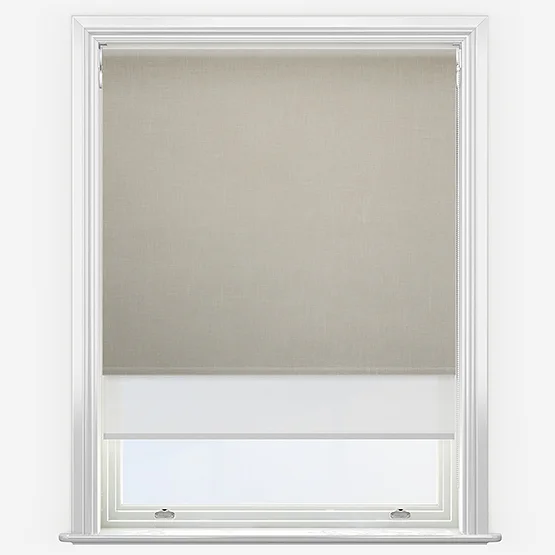
Looking for the best of both worlds? A double roller system with a blackout blind and a sheer blind lets you switch effortlessly between complete darkness and soft, filtered daylight—giving you maximum flexibility without compromising on style.
Ready to upgrade your windows? Browse our collection of blinds or curtains or get in touch for personalised advice.
Other posts you may be interested in:

Layering Windows with Curtains and Blinds
Layering curtains and blinds is an easy way to combine style and function. It gives you better light control, privacy, and insulation, while adding depth and texture to any room. Mix fabrics, colours, and materials to create a cosy, curated space that feels polished and welcoming.

Which Room, Which Blind? Blinds In Your Living Room
Choose living room blinds that combine style and function. Vertical blinds offer precision, Roman blinds bring sleek style, curtains add warmth, and wooden blinds provide charm and easy care. Layer and mix for a cosy, practical, and stylish space.

How To Use Thermal Blinds To Keep The Heat Out This Summer
Before investing in expensive air conditioning, explore how the right blinds can naturally keep your home cooler and more comfortable. Thermal, blackout and honeycomb options help reduce heat and lower energy bills. A simple window upgrade could make all the difference this summer.
Share this post
Other posts you may be interested in
How to dress a bay window with blinds and curtains
By Ana Zuravliova
How to Choose the Perfect Curtains for Your Child’s Room
By Ash Walker
How to dress a bay window with blinds and curtains