
Interior Design, Wellbeing and Mental Health Week

By Ana Zuravliova
May 11-17, 2026 marks the UK’s Mental Health Week, a time to focus on our wellbeing and raise awareness of the challenges mental health can bring. While mental health issues can stem from many factors, there are simple steps we can take to support our wellbeing at home.
This week, consider how your living space can nurture relaxation, focus, and peace of mind. Start by decluttering to create a calm environment, removing unnecessary items, and organising what remains. Then plan your home refresh with mood boards, colour choices that uplift you, and textures that promote comfort. Soft cushions, soothing lighting, aromatic candles, and gentle sounds can all combine to create a personal sanctuary that supports both physical and mental wellbeing.
Even small changes to your home environment can significantly reduce stress and support better mental health.
What is mental health week?
This year marks the 26th anniversary of the Mental Health Foundation’s mental health week. During the seven days, millions across the UK host events and initiatives to promote wellbeing. Programs like the Movement: Moving More For Your Mental Health campaign encourage physical activity, which improves mood and overall health.
Use nature to support mental wellbeing
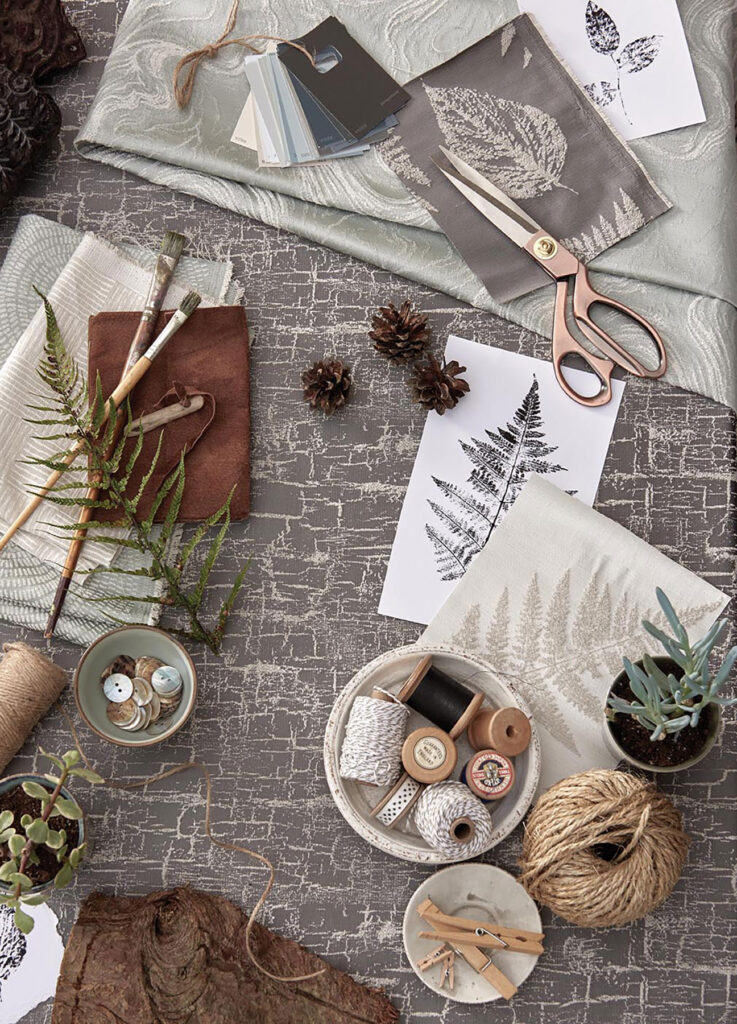
A key theme of Mental Health Week is recognising the positive impact of nature on our mental wellbeing. Incorporating greenery or flowers into your home—whether a desk plant in your home office, summer garden blooms, or bee-friendly plants with mini shelters—can lift your mood, reduce stress, and strengthen your connection to the wider environment.
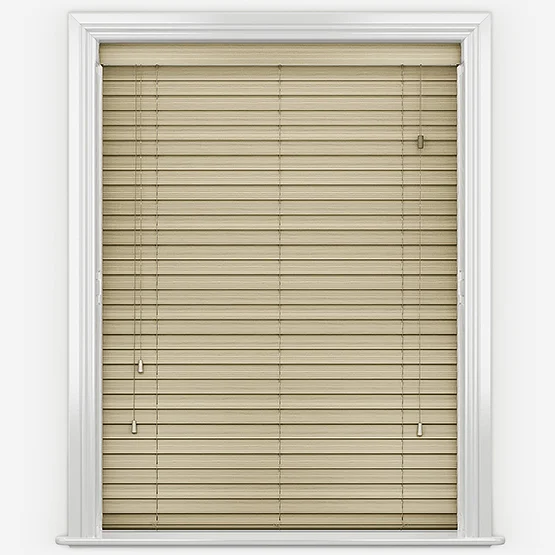
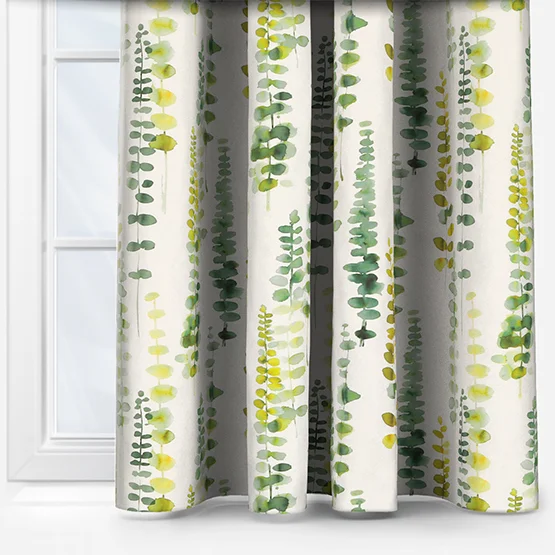
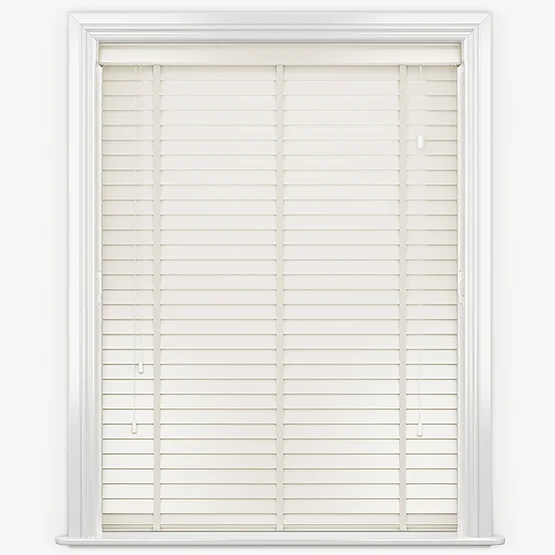
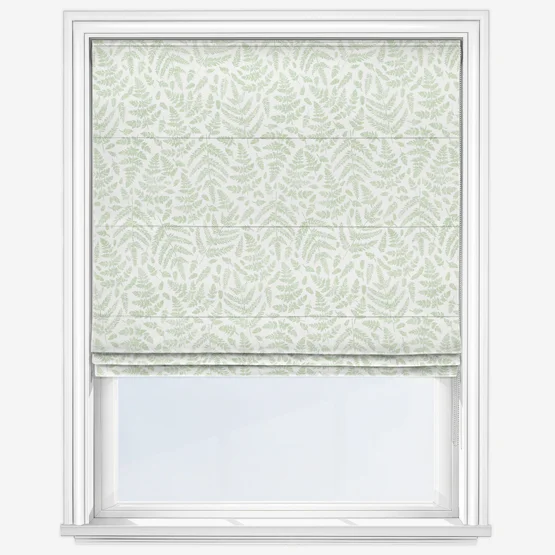
Similarly, natural materials like wood in furniture or window blinds, as well as floral or vegetable-inspired prints, help bring a sense of calm and rootedness to your living spaces.
Complement these natural elements with soft, tactile touches such as cushions, throws, or velvet Roman blinds, which create a comforting sensory experience and promote mindfulness and relaxation.
Use colour for mental health
For millennia, societies have understood the important relationship between colour and emotion. Colour therapy – sometimes called chromotherapy – is an alternative remedy that seeks to use colour and light to treat mental and physical health.
Whether you believe in chakras or not, it is well known that colour can impact our moods. There is even evidence to suggest colour has an effect on us physically with reds raising the heart rate and blue reducing it.
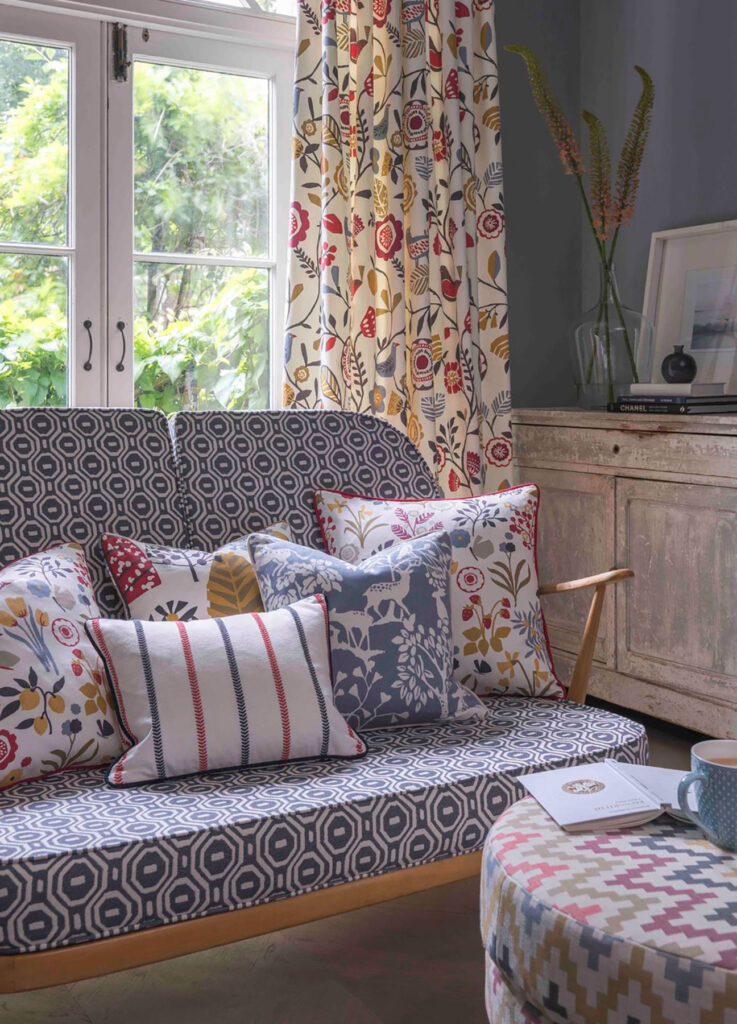
Shades of green and blue are particularly calming, while purples and lilacs may help manage low mood or mild depression. Bright, warm colours like yellow, orange, red, and pink can energise and boost happiness, while dustier tones provide comfort and grounding.
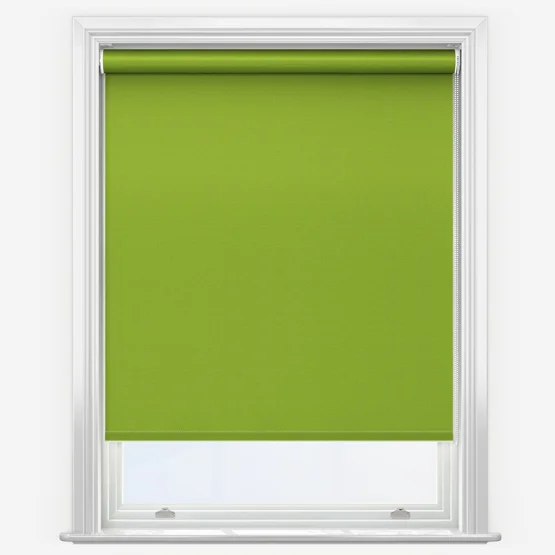
For those working or studying from home, colour can also support focus and productivity. Green is especially relaxing and provides a ‘restorative experience’, so consider incorporating leafy plants, soft green furnishings, or window blinds in your workspace. Blue, when used in softer tones, can also help with mentally demanding tasks by supporting concentration without creating a cold or clinical atmosphere. A green roman blind paired with a dusty-blue lampshade is a simple way to energise your work area while maintaining calm and focus.
We recently explored the power of colour in our Psychology of Colour: Positive Colours blog which investigates how different tones can help improve your positivity.
Additionally, it’s important to remember that colour for mental health is very personal.
If a shade makes you happy, even if others disagree, embrace it – personal expression reduces anxiety and promotes wellbeing. Pair colours with round shapes in furniture, mirrors, lamps, or curtain designs to enhance feelings of calm and happiness.
Natural Light Matters
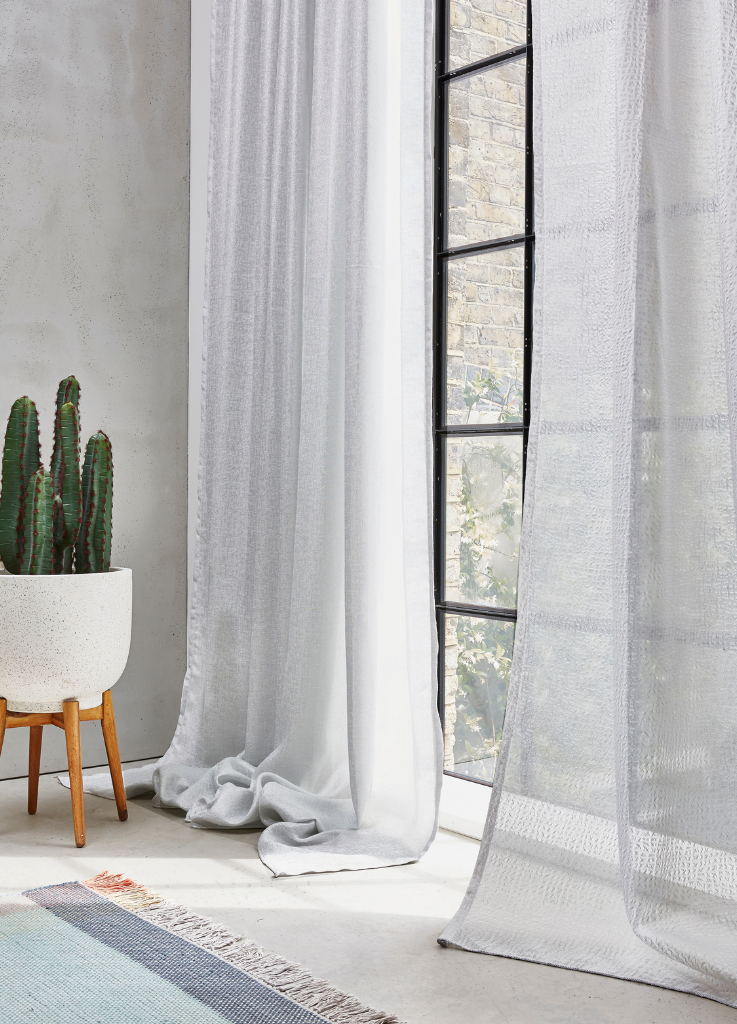
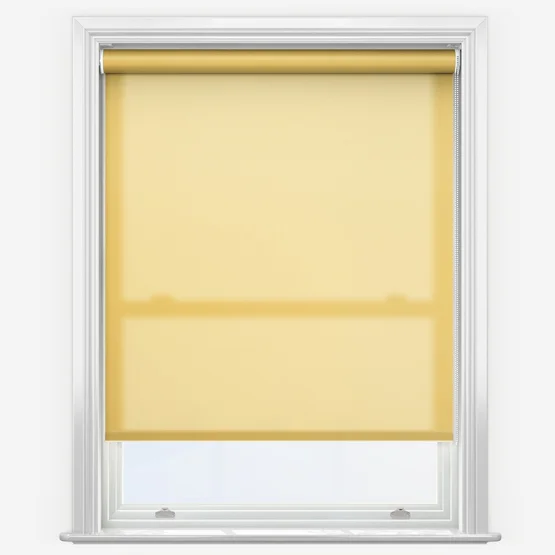
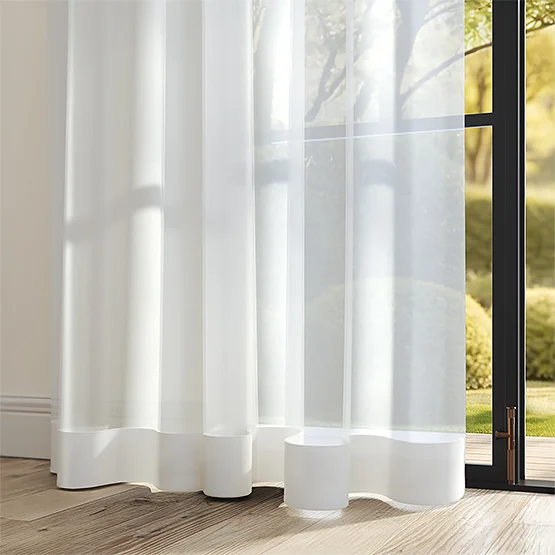
Natural light is also important to our mental wellbeing, and something about fluorescent tubes just doesn’t cut the mustard. When it comes to light management, consider the purpose of the space and work from there. If you’re creating a living room designed purely for relaxation, a simple “open or shut” option like a roller blind may be ideal. For softer light and a calm, airy feel, voiles can help gently diffuse daylight while maintaining privacy. In more multi-functional spaces where lighting needs change throughout the day, wooden and illusion blinds offer greater flexibility, giving you more control over the levels of natural light entering your home
Better sleep, happier mind
Sleep and mental health go hand-in-hand. If one suffers from mental health issues, their sleep can be negatively impacted. Likewise if someone struggles to get a good night’s sleep, their mental health can suffer. Therefore, it’s in everyone’s interest to get a good night’s sleep as regularly as possible.
Recently, we compiled a study that investigated the external factors that can negatively affect our sleep. The Wake up Well campaign identified light, noise and temperature as leading factors to poor sleep which in turn can harm our mental health.
1. Define your sleep schedule and stick to it
2. Use a blackout blind or curtain to make your room as dark as possible
3. Pre-empt changes to your sleep cycle if you’re transitioning back to office work
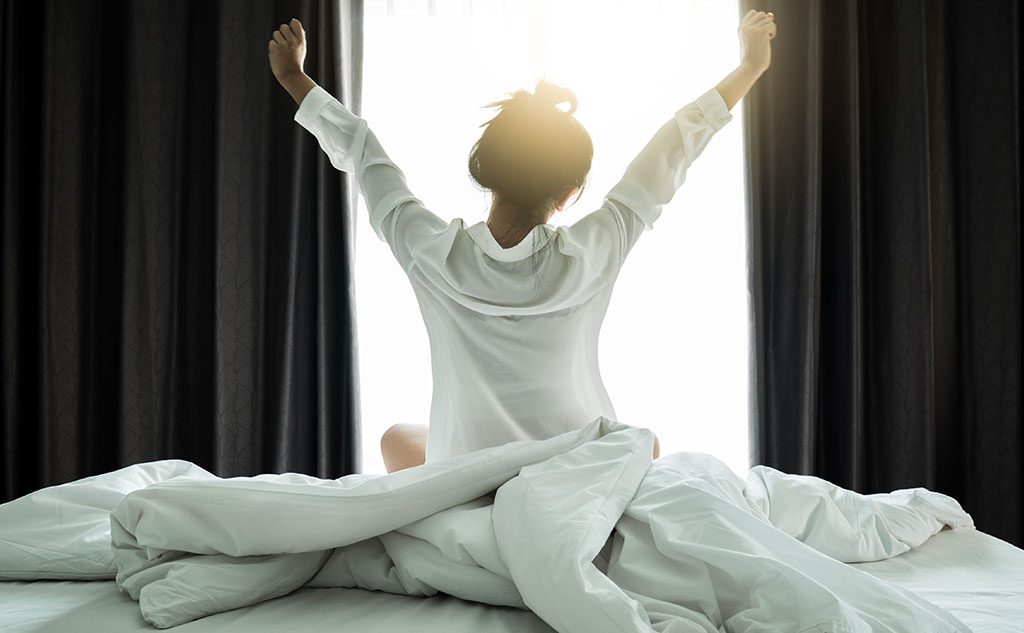
Incorporating colour and lighting for downtime also helps. Calming greens, soft pinks, and cool blues combined with controlled natural light enhance relaxation and support recovery after physical activity or a busy day.
We sincerely hope our Mental Health Awareness Week 2026 blog has given you inspiration for using your home as a vehicle to improve your mental health. Homes should make us happy, comfortable, and energized.
Shop our calming colours:
Other posts you may be interested in:

Supercharge your sleep with blackout and thermal curtains and blinds
Struggling to sleep well? Discover how blackout and thermal blinds and curtains can transform your bedroom into a cosy, restful haven. From blocking light to regulating temperature, learn how the right window furnishings help you wake up refreshed and feel your best every day.
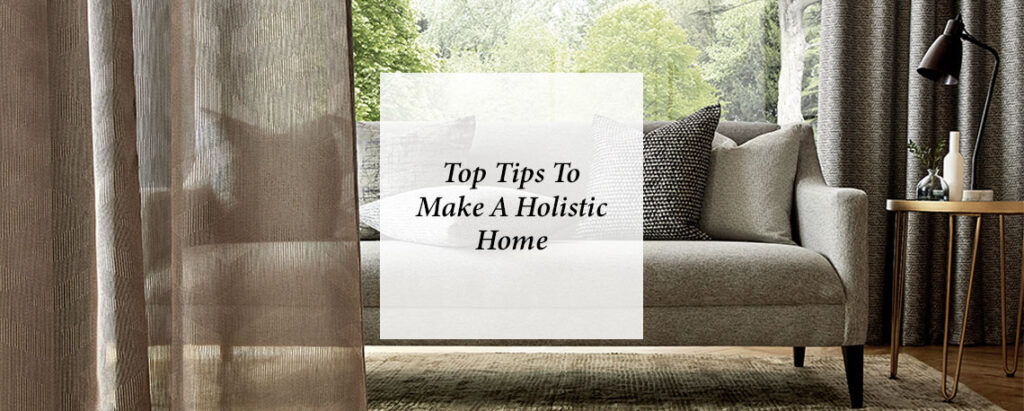
Top tips to make a holistic home
Most interiors are designed to look good, but a truly successful home feels good too. Colour, light, texture, and layout all influence mood, energy, and calm. Thoughtful choices, from tones and fabrics to natural light, can transform a space. When these elements come together, a home becomes a place to recharge, and feel more balanced every day.
Browse Our Buyers Guides
Our collection of window furnishings and homeware is defined by quality and craftsmanship. We’re confident we can provide you with the perfect product for your home, no matter your requirements. From moisture proof and stain resistant blinds for bathrooms, to blackout blinds and personalised pieces for kids’ rooms…
Share this post
Other posts you may be interested in
5 Interior Design Ideas for Blinds & Curtains
By Amy Kilvington
Enjoy A Winter Colour Palette In Your Home
By Ana Zuravliova
5 Interior Design Ideas for Blinds & Curtains