The Expert Guide on Coastal Interior Design
There’s something timeless about the coast. Whether it’s a sunlit afternoon on golden sands, the gentle rhythm of waves, or the fresh sea air drifting through open windows, the British seaside has a unique way of helping us slow down, breathe deeper, and reconnect with nature. It’s no surprise, then, that coastal interior design continues to grow in popularity – offering a way to capture that same sense of calm and escapism within our homes.
In this guide, we’ll explore everything you need to know about coastal interiors – from colour palettes and materials to styling tips and room-by-room ideas – so you can create a space that feels fresh, relaxed, and effortlessly inviting.
Table of contents
What is coastal interior desgin?
Materials and textures that define coastal interiors
How to create a coastal look in every room
Styling tips to get the look right
What is coastal interior design?
On the surface, coastal interior design is about creating a space that feels light, open, and effortlessly calming – just like a day by the sea. Inspired by the natural beauty of the coastline, this style focuses on simplicity and a strong connection to the outdoors.
Think airy, uncluttered rooms filled with natural light, a gentle, pared-back colour palette, and materials that echo the textures of the shore. The overall effect is relaxed and inviting, designed to help you slow down and feel at ease in your surroundings.
More than just a visual style, coastal interiors are rooted in a feeling. They’re about recreating that sense of escapism and tranquillity we associate with the seaside – bringing the outside in and creating a home that feels like a retreat from everyday life.
That said, coastal design isn’t one-size-fits-all. Over time, it has evolved into a range of distinct styles, each offering its own interpretation of seaside living:
- Coastal calm: Minimal, serene, and centred around wellbeing. This approach uses soft neutrals, gentle blues, and uncluttered spaces to create a peaceful, restorative environment.
- Coastal chic: Brighter and more expressive, this style introduces playful colour, pattern, and personality while still maintaining a light and airy foundation.
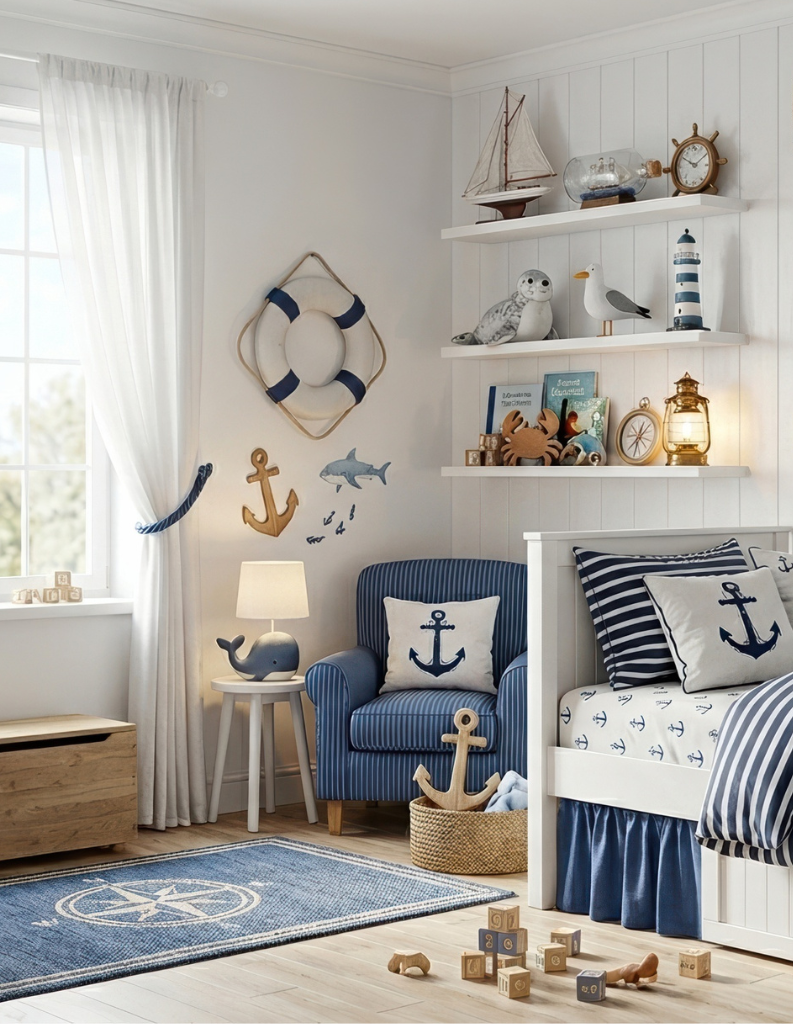
- Nautical: A more classic and structured take, defined by crisp navy and white colour schemes, clean lines, and subtle maritime motifs like stripes, anchors, and rope details.
- Modern coastal: A contemporary evolution of the trend, blending traditional coastal elements with more refined materials, unexpected colours, and a slightly more sophisticated edge.
In the UK especially, coastal interiors often draw inspiration from our own shorelines – less about tropical whites and turquoise waters, and more about soft greys, sea greens, and ever-changing skies.
Coastal colour palettes
Colour is one of the most powerful tools in coastal design, setting the tone for the entire space and shaping how it feels to live in. Inspired by the ever-changing hues of the shoreline, a well-balanced coastal palette can instantly make a room feel lighter, calmer, and more connected to nature.
Classic coastal colours
At the heart of any coastal interior is a foundation of crisp whites and soft neutrals. These shades reflect natural light beautifully, helping to open up a space and create that clean, airy feeling we associate with the seaside.
From this base, introduce shades of blue to add depth and contrast. Pale sky blues bring softness and tranquillity, while deeper navy tones add structure and a subtle sense of sophistication. Together, these colours mirror the natural meeting point of sea and sky, creating a palette that feels instantly calming and familiar.
Summer coastal colours
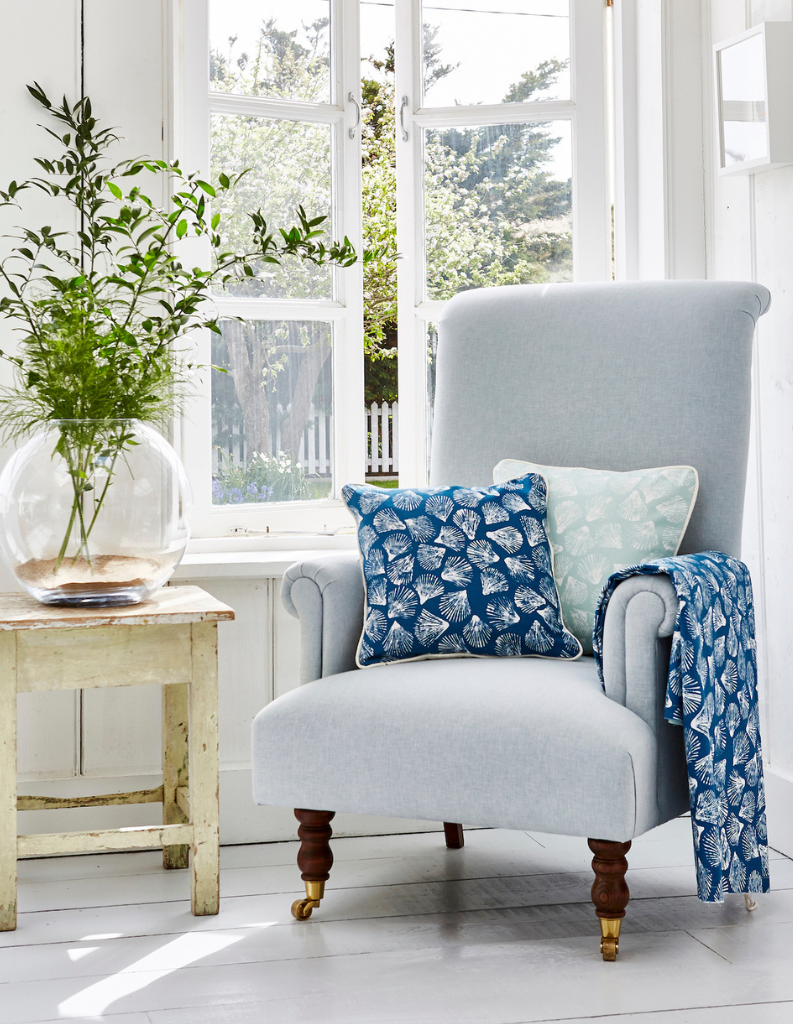
In the warmer months, coastal spaces can take on a brighter, more playful energy. This is where you can draw inspiration from bustling beaches, colourful beach huts, and sunlit shores. Think:
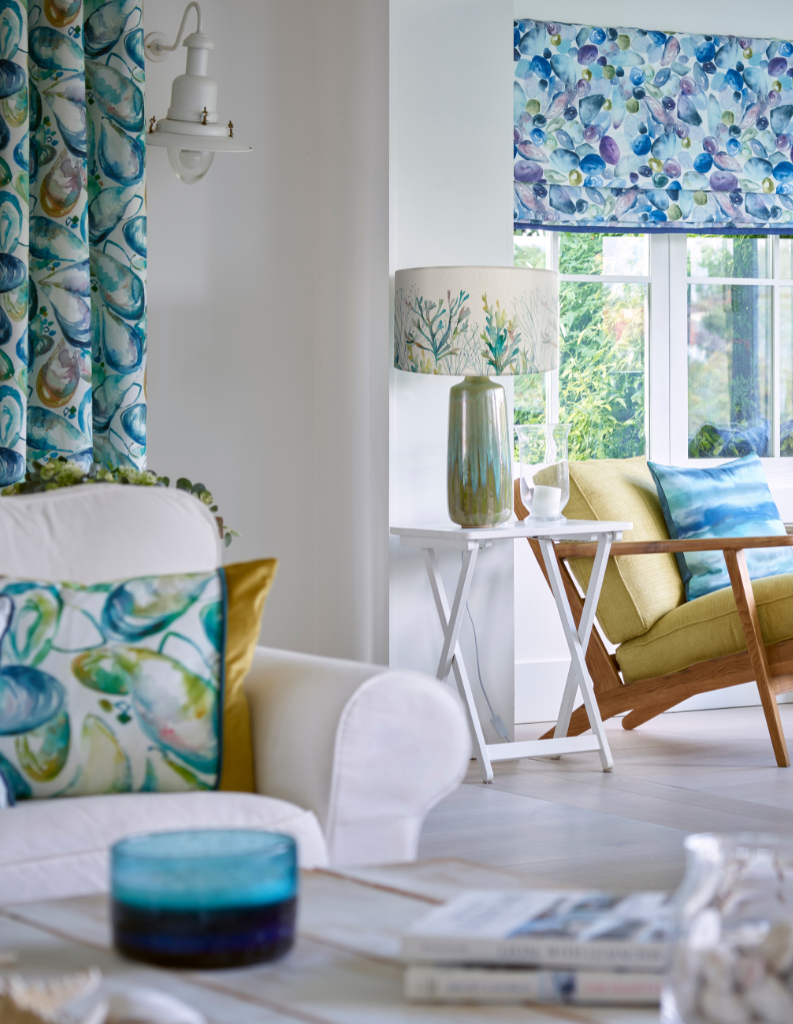
- Seafoam greens and turquoise blues
- Sandy beiges and warm creams
- Pops of yellow, coral, or beach hut brights
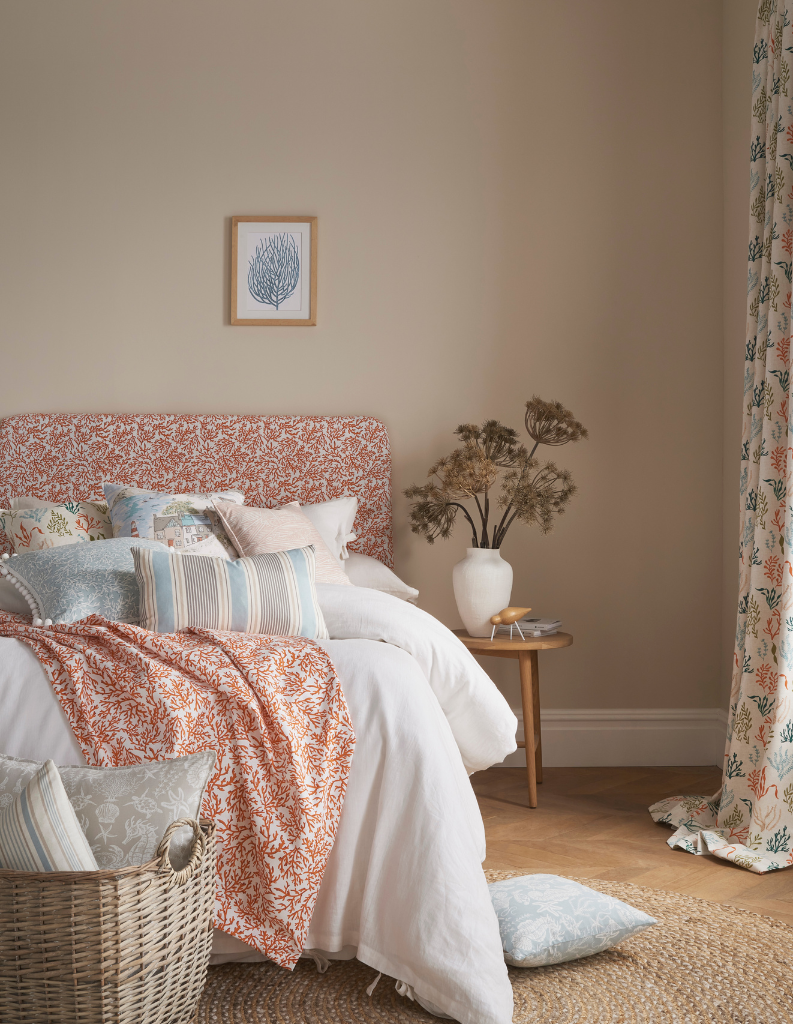
These colours work beautifully in accessories like cushions, curtains, and lamp shades, adding energy without overwhelming the space. This approach keeps your overall look fresh and flexible, allowing you to update accents seasonally if desired.
Winter coastal colours
The coast has a quieter, more atmospheric charm outside of summer, and this can translate beautifully into interiors. A winter-inspired coastal palette leans into moodier, more muted tones while still maintaining a sense of warmth and comfort. Consider:
- Slate greys and stormy blues
- Deep green-blue tones
- Muted blush or ochre accents
These colours create a more grounded, cocooning feel, offering a sophisticated take on coastal style that works perfectly all year round.
Modern coastal colours
For a more contemporary interpretation, coastal design has evolved beyond the traditional blue-and-white palette. Modern coastal interiors embrace a broader, more experimental range of tones while still staying true to their natural roots. Try incorporating:
- Coral and blush tones for warmth and a subtle nod to marine life
- Sage and muted greens inspired by coastal vegetation
- Contrasts between darker woods and lighter fabrics for added depth
Ultimately, coastal colour palettes work best when they feel harmonious and unforced. By taking cues from the natural world and layering tones with intention, you can create a space that feels both refreshing and restorative.
Materials and textures that define coastal interiors
Coastal interiors aren’t just about colour, but how a space feels the moment you step into it. While the palette sets the tone, it’s texture that brings the look to life. Bringing these tactile elements into your home is what transforms a space from simply styled to truly evocative.
Natural, layered textures are key to achieving that relaxed, lived-in feel:
- Light woods: Oak, pine, or whitewashed finishes reflect light and help maintain that airy, open atmosphere. They echo sun-bleached boardwalks and beach huts, instantly creating a sense of place.
- Woven textures: Rattan, wicker, and jute introduce warmth and an organic, handcrafted quality. These materials soften the overall look and prevent it from feeling too polished or clinical.
- Soft fabrics: Linen and cotton are staples of coastal design thanks to their breathability and movement. They drape effortlessly, allowing light to pass through and creating that gentle, breezy effect associated with seaside living.
- Weathered finishes: Driftwood-style textures, distressed surfaces, and lightly aged materials add authenticity and character, helping your space feel relaxed rather than overly styled.
Texture also plays an important role in balance. Because coastal interiors often lean on a fairly restrained colour palette, layering different materials prevents the space from feeling flat or one-dimensional.
Coastal patterns and prints
Patterns are where coastal interiors really begin to show their personality. While colour and materials set the foundation, it’s pattern that brings character, movement, and a sense of storytelling into the space.
- Stripes: A true coastal classic, stripes are inspired by traditional deckchairs, windbreaks, and even nautical uniforms. Whether bold or subtle, they add structure and rhythm to a space and work beautifully across cushions, blinds, and soft furnishings.
- Nautical motifs: Anchors, lighthouses, sailboats, and rope details offer a more literal nod to maritime life. These are ideal if you’re leaning towards a classic or nautical style, but work best when used sparingly for a refined finish.
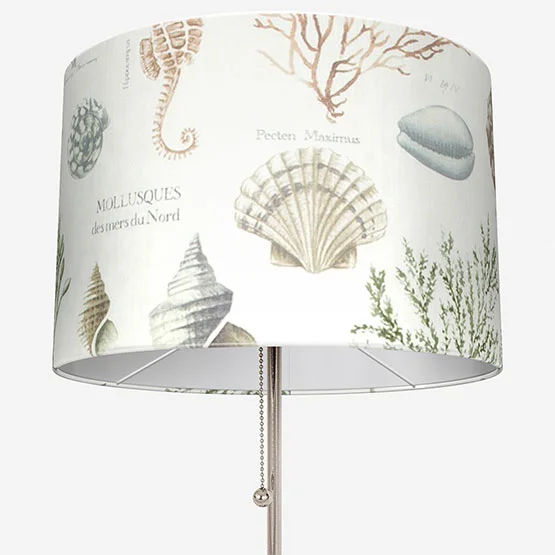
- Marine life: Fish, shells, seabirds, and coastal wildlife bring a softer, more playful element. These prints are perfect for adding charm to kitchens, bathrooms, or children’s rooms, where a touch of fun feels right at home.
- Abstract designs: For a more modern take, fluid, organic patterns that mimic the movement of water or shifting sand can introduce visual interest without feeling overly themed. These are particularly effective in contemporary coastal spaces.
Pattern also plays an important role in adding depth. In interiors where the colour palette is intentionally restrained, introducing even subtle patterns can prevent the space from feeling flat. A soft striped fabric, a gently patterned blind, or a delicately illustrated cushion can all add layers of interest while maintaining a cohesive look.
How to create a coastal look in every room
One of the strengths of coastal interior design is its versatility. It can be adapted to suit every room in the home, from social spaces to more private, restful areas. While the overall principles remain the same, how you apply them can vary depending on the function of each space.
Living Room
The living room is the heart of coastal design, where comfort and relaxation take centre stage. Build a light, neutral base and layer in soft furnishings like cushions and throws in sea-inspired tones. Natural elements like wood and rattan add warmth, while sheer curtains or light-filtering blinds help maximise natural light, creating an open, airy space that feels easy to unwind in.
Bedroom
A coastal bedroom should feel calm and restorative. Start with crisp white bedding and soft neutral tones, then introduce gentle accents of blue or sea green to echo the colours of the coast. Breathable fabrics like linen and cotton enhance comfort, while a clutter-free approach keeps the space feeling serene and balanced – perfect for switching off at the end of the day.
Bathroom
Coastal style works effortlessly in the bathroom, where a clean, fresh aesthetic is key. Stick to a palette of whites, soft greys, and subtle sea tones to create a spa-like feel, and choose practical, moisture-resistant materials such as faux wood blinds or easy-care finishes. Keep styling simple, using texture sparingly through towels or woven accessories to maintain that light, just-off-the-beach atmosphere.
Kitchen
In the kitchen, coastal design is about combining brightness with functionality. Light cabinetry and natural finishes help reflect light and open up the space, while subtle patterns can be introduced through textiles. Keep surfaces uncluttered and use small, thoughtful accents in coastal colours to bring the look together without overwhelming the room.
Children’s Rooms
Children’s rooms are a great place to embrace the more playful side of coastal design. Start with a soft, neutral base, then layer in fun prints and motifs – such as sea creatures, boats, or beach scenes – through curtains, cushions, and accessories. This approach keeps the space feeling light and cohesive, while allowing for personality and easy updates as tastes change.
Sustainable coastal interiors
A love for the coast often goes hand-in-hand with a desire to protect it. After all, the very landscapes that inspire this style are increasingly under pressure. Incorporating more sustainable choices into your home is a meaningful way to reflect that connection, allowing your interiors to not only look inspired by nature, but also respect it.
Sustainability in coastal design isn’t about compromise, but about making considered choices that align with the natural, pared-back ethos of the trend. Many of the materials already associated with coastal interiors lend themselves naturally to a more eco-conscious approach.
Products made from recycled materials, such as fabrics created from repurposed plastics, help reduce waste that might otherwise end up in our oceans.
Consider natural, renewable fibres like jute, cotton, and linen, which are both durable and biodegradable, while also adding beautiful texture to your space.
Reducing plastic use in home accessories by opting for glass, ceramic, wood, or woven alternatives that feel more authentic and long-lasting.
Beyond materials, sustainability can also be reflected in how you style your home. Even small changes can make a difference. By making thoughtful decisions, you can create a home that not only captures the calm and beauty of the coast, but also helps preserve it for years to come.
Styling tips to get the look right
Bringing a coastal scheme together is all about balance. While the style is naturally relaxed, a few thoughtful decisions will ensure your space feels cohesive rather than chaotic.
- Keep it light: Make the most of natural light with sheer fabrics and uncluttered windows to maintain that airy, open feel.
- Don’t over-theme: Subtlety is key – too many obvious coastal motifs can make a space feel staged rather than stylish.
- Layer textures: Mix materials like wood, linen, and woven fibres to add depth without relying on bold colour.
- Stick to a palette: A restrained colour scheme helps preserve the calm, harmonious feel coastal interiors are known for.
- Let key pieces shine: Choose a few standout items instead of filling the room with smaller details, allowing the space to feel considered and uncluttered.
With these simple principles in mind, you can create a coastal interior that feels effortless, inviting, and true to the spirit of the seaside.
Finishing touches: accessories and window dressings
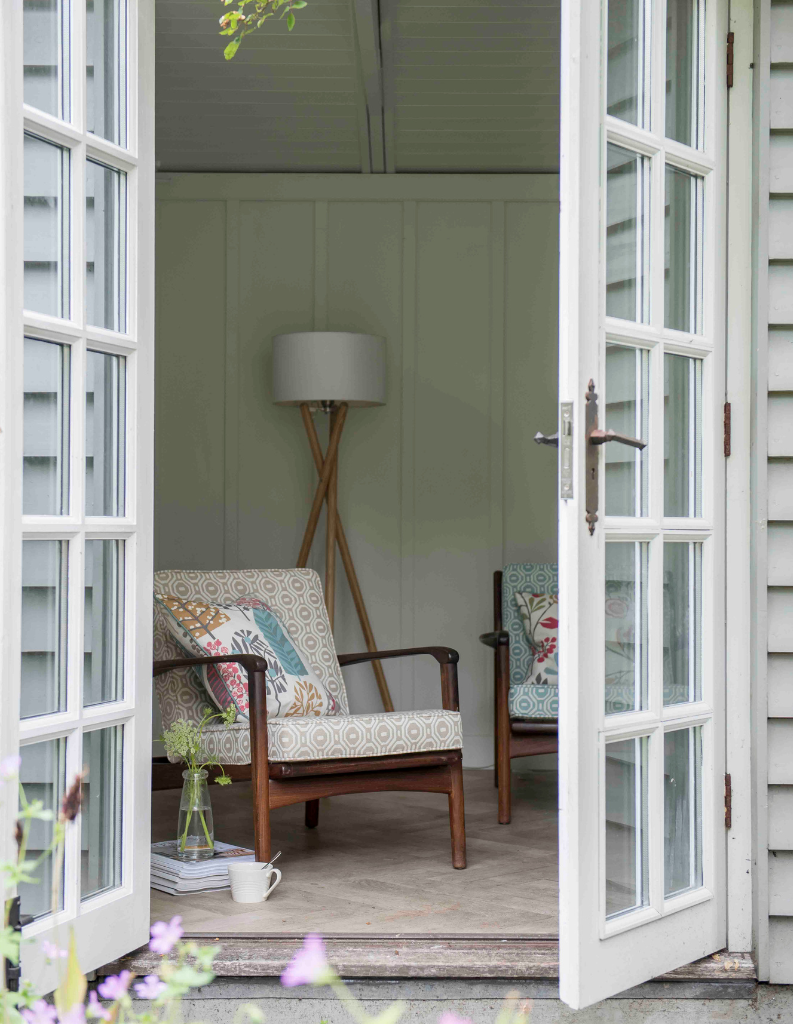
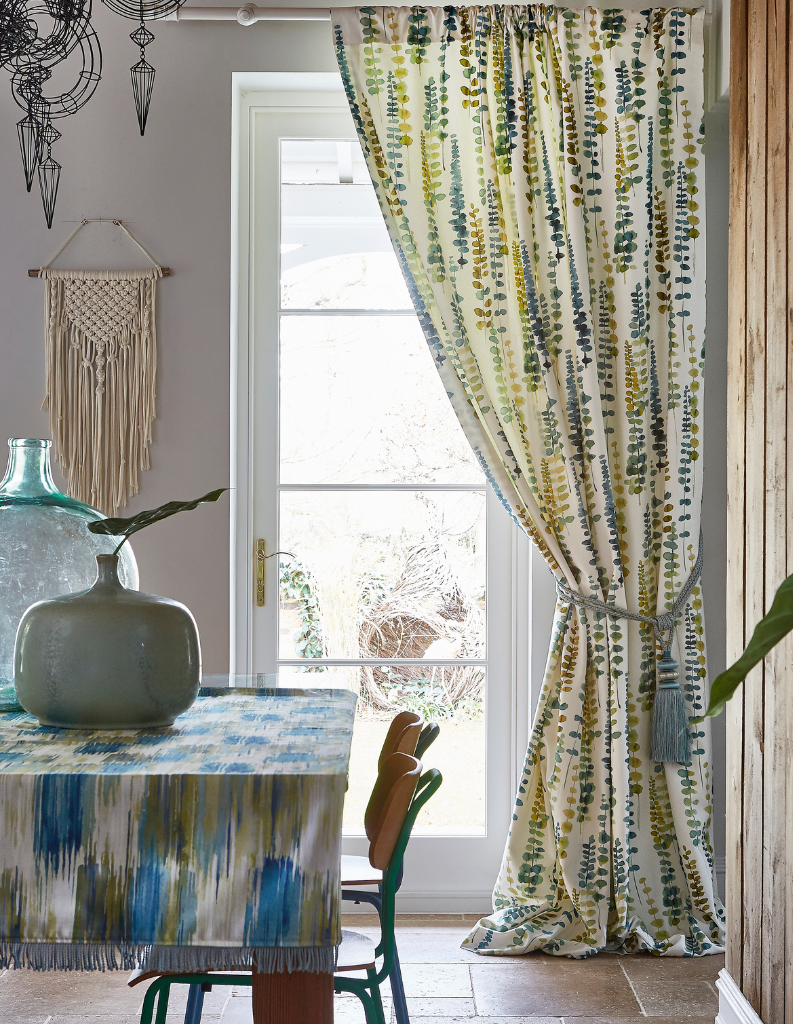
Accessories are where coastal style really comes together, and window dressings play a key role in setting the tone of a space. Because coastal interiors are all about light and openness, how you treat your windows has a big impact on the overall feel.
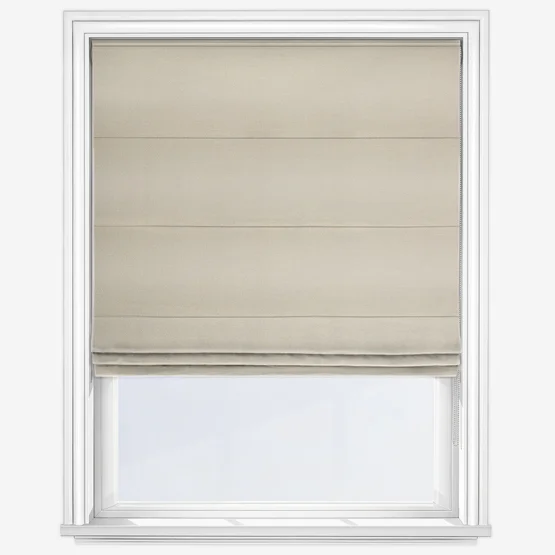
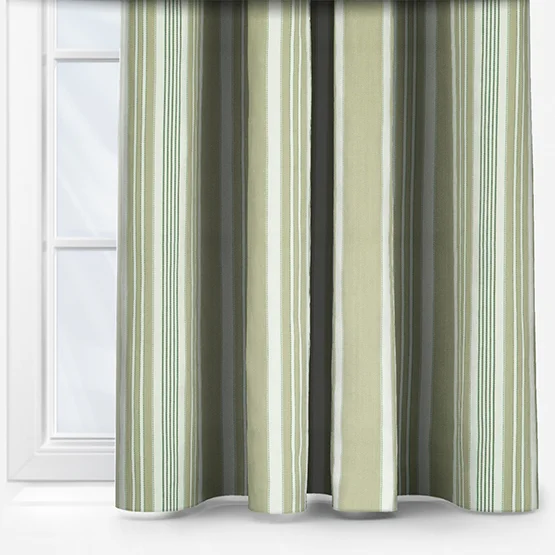
Blinds and curtains in soft linens, voiles, or subtle coastal tones help frame a room without overpowering it. Light-filtering roller blinds are ideal for gently diffusing daylight while maintaining privacy, keeping the space bright and relaxed.
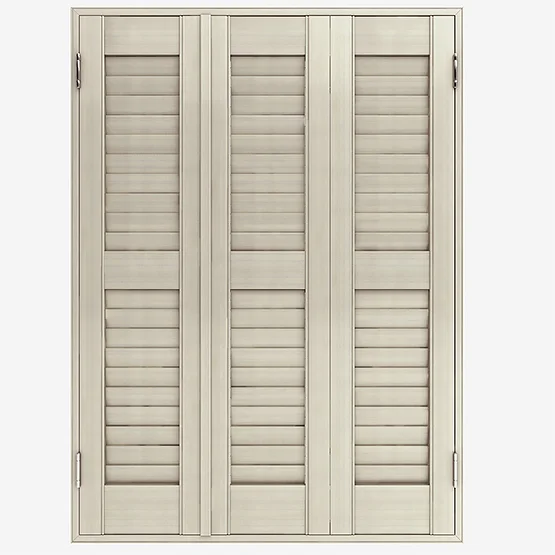
For a more structured take, shutters are a timeless coastal choice. Painted in white or soft neutrals, they echo traditional seaside homes while offering excellent control over light and privacy, helping you create that calm, sun-washed atmosphere throughout the day.
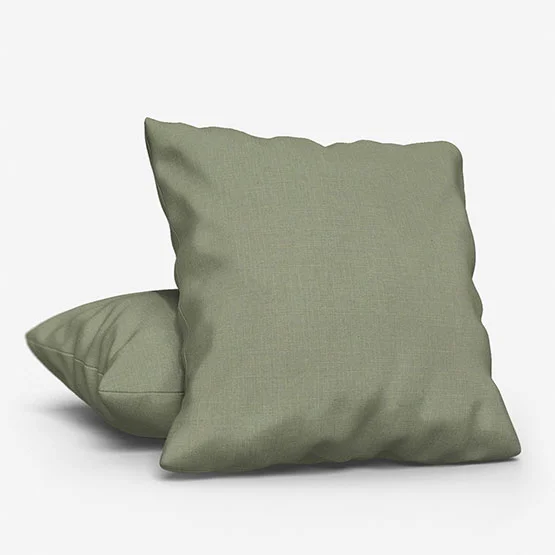
To finish the look, layer in cushions and throws for comfort and subtle colour, along with simple decorative accents like ceramics, glass, or woven textures. These small touches help reinforce the coastal feel while keeping everything soft, balanced, and effortless.
Bringing the coast home
Coastal interior design is more than just a trend – it’s a way of creating a home that feels calm, welcoming, and connected to nature. It captures the easy rhythm of the seaside through light, texture, and a sense of openness that makes everyday living feel more relaxed.
Whether you prefer a minimalist coastal calm look or a more playful nautical style, this is a highly adaptable aesthetic that can be tailored to suit any space. From subtle neutral foundations to soft blues and natural materials, there are endless ways to interpret the style in a way that feels personal to your home.
With the right balance of colour, texture, and thoughtful styling, even small updates can transform a room into a soothing retreat – bringing a little of the coast’s timeless, restorative atmosphere into your home, no matter where you are.
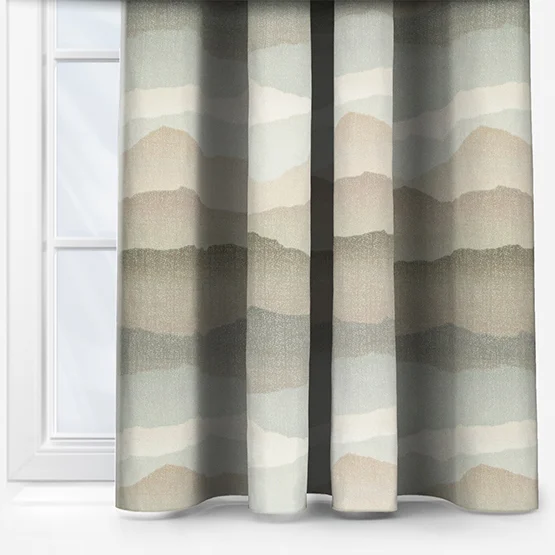
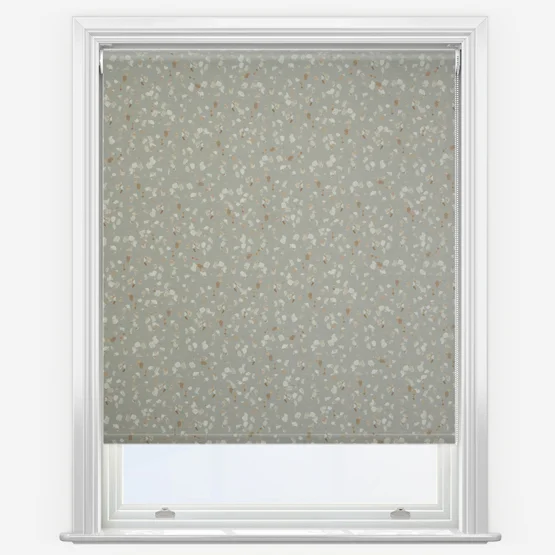
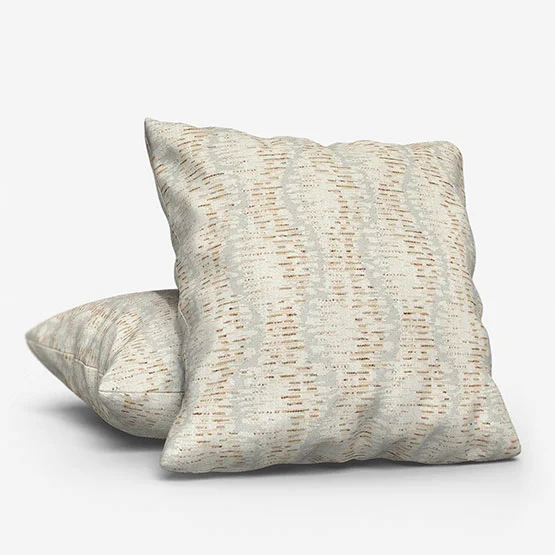
To help you bring this look into your own home, we’ve gathered a selection of pieces inspired by coastal interior design. Explore our Coastal collection to discover blinds and curtains that capture the calm, light-filled feel of the seaside, bringing soft colour, natural texture, and effortless balance into your space.
If you’re unsure where to begin, you can order up to eight free samples to help shape your scheme before making a final decision.
Other posts you may be interested in:
Sunlight, Sea Views & Serious House Envy: What Brits Really Want from Their Homes in 2026
When it comes to buying a home in 2026, Brits are getting a lot pickier about what really matters. It’s no longer just about an extra bedroom or having a bigger garden, buyers are thinking about how a home feels to live in every single day.
Expert Guide: How To Find The Right Blinds For Your Home
When it comes to enhancing the aesthetics and functionality of your home, selecting the right blinds is a crucial decision. Blinds not only provide privacy and control over natural light entering your home, but also contribute significantly to the overall design and ambiance of your living spaces.

Browse our Buyers Guides
Our collection of window furnishings and homeware is defined by quality and craftsmanship. We’re confident we can provide you with the perfect product for your home, no matter your requirements. From moisture proof and stain resistant blinds for bathrooms, to blackout blinds and personalised pieces for kids’ rooms.
Share this post
Other posts you may be interested in

Christmas Colours – Enjoy The Magic All Year Round
By Ana Zuravliova

For The Fashionistas! How To Add The Best Of Fashion Week To Your Home
By Ana Zuravliova
Christmas Colours – Enjoy The Magic All Year Round