A Brief Overview Of Different Types Of Blinds

By Ana Zuravliova
Windows are such an important part of the home. They let in light, provide us with a view upon the wider world and deliver a space for us to add a decorative edge to our interior design. More than mere panes of glass, they are the beating heart of a room. Finding the ideal window furnishing is, therefore, a vitally important component in a room’s décor – but what options are there? This blog will explore the different types of blinds available to you, and the myriad qualities they bring to a home!
What are blinds?
Simply put, blinds are a window furnishing which – in many cases – you can move along different axis to allow light into a room, or to block it out. They come in different shapes, forms and materials with each option offering something different to the previous or next. Whether they simply move up and down – or have the option to tilt forward and backward horizontally – blinds add a range of benefits to a space and can make a real statement to your décor.
What are the parts of window blinds called?
The main parts of window blinds are the headrail (top part that houses the mechanism), slats or vanes (horizontal or vertical pieces that control light), the lift cords or wand (for raising, lowering, or tilting), and the bottom rail (for stability and weight). Some blinds also include brackets, valances, and a control mechanism depending on the style.
What are the most common types of blinds?
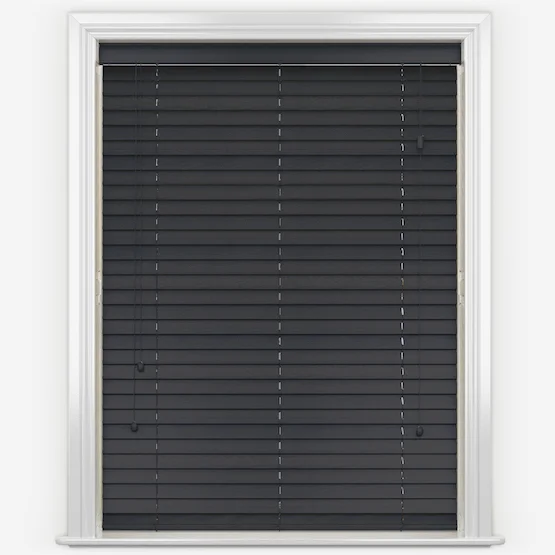
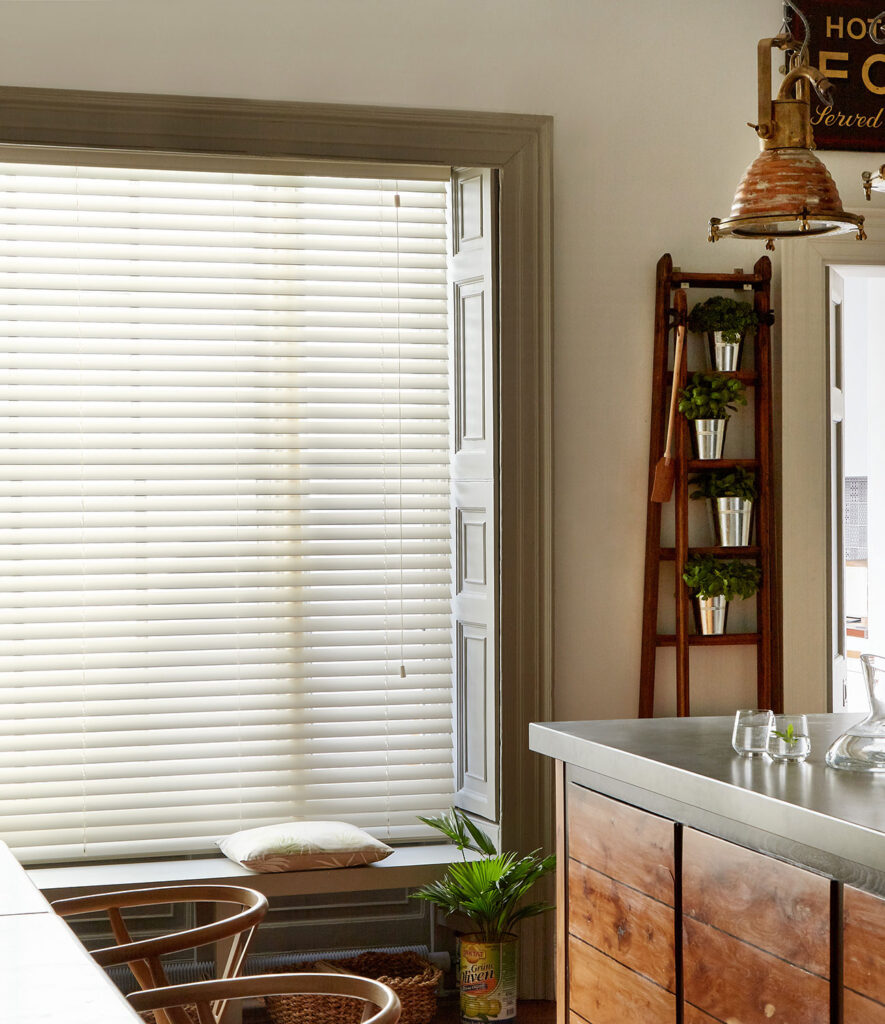
Wooden blinds
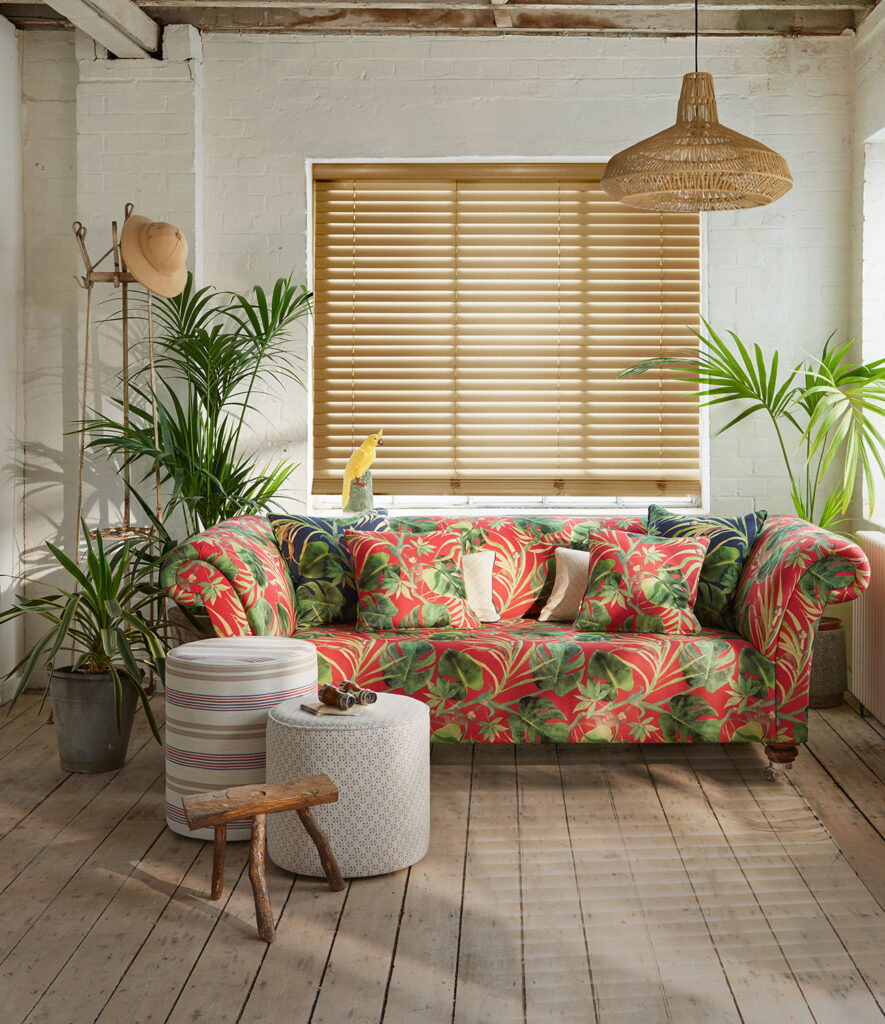
Wooden blinds – often called wooden Venetian blinds – are an elegant and charming choice. These blinds offer superb functionality, durability, and the timeless beauty of natural wood. Additionally, wooden blinds give buyers the flexibility to enjoy accurate light control and privacy. To ensure we limit our impact upon nature, we use woods sourced only from responsibly managed forests to protect local communities and the global environment.
Best rooms for wooden blinds – bedrooms and living rooms.
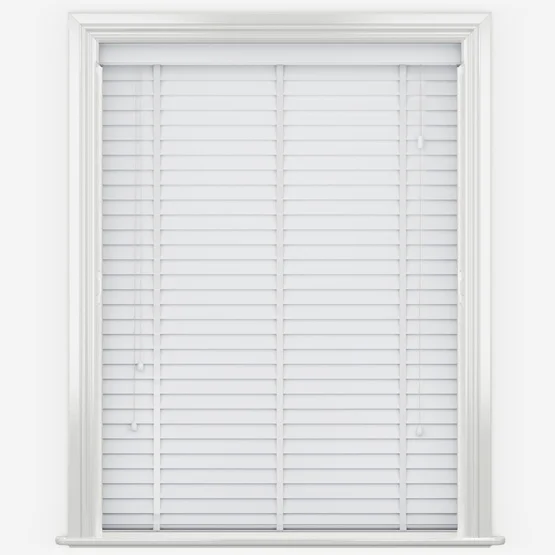
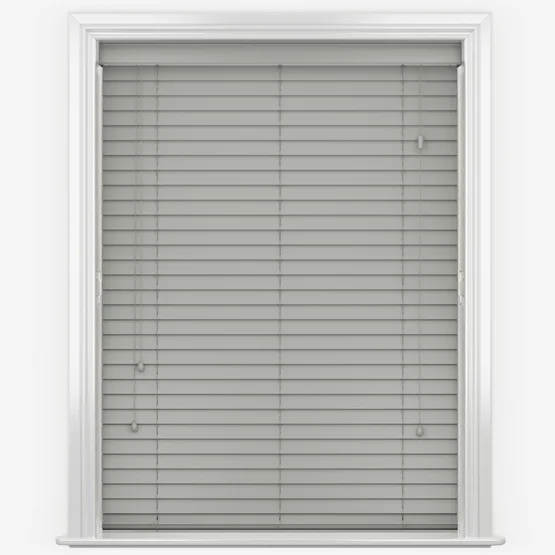
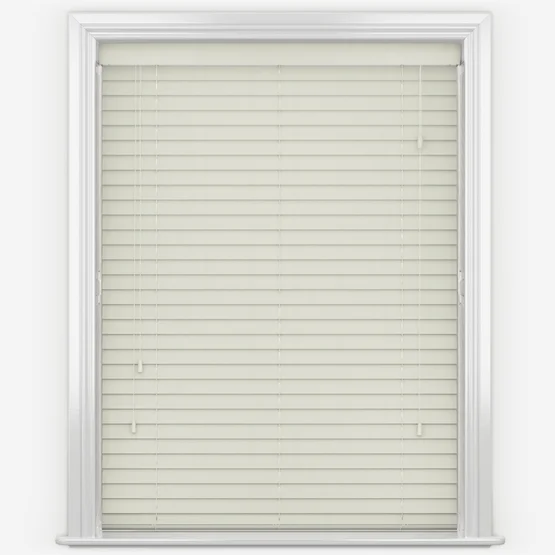
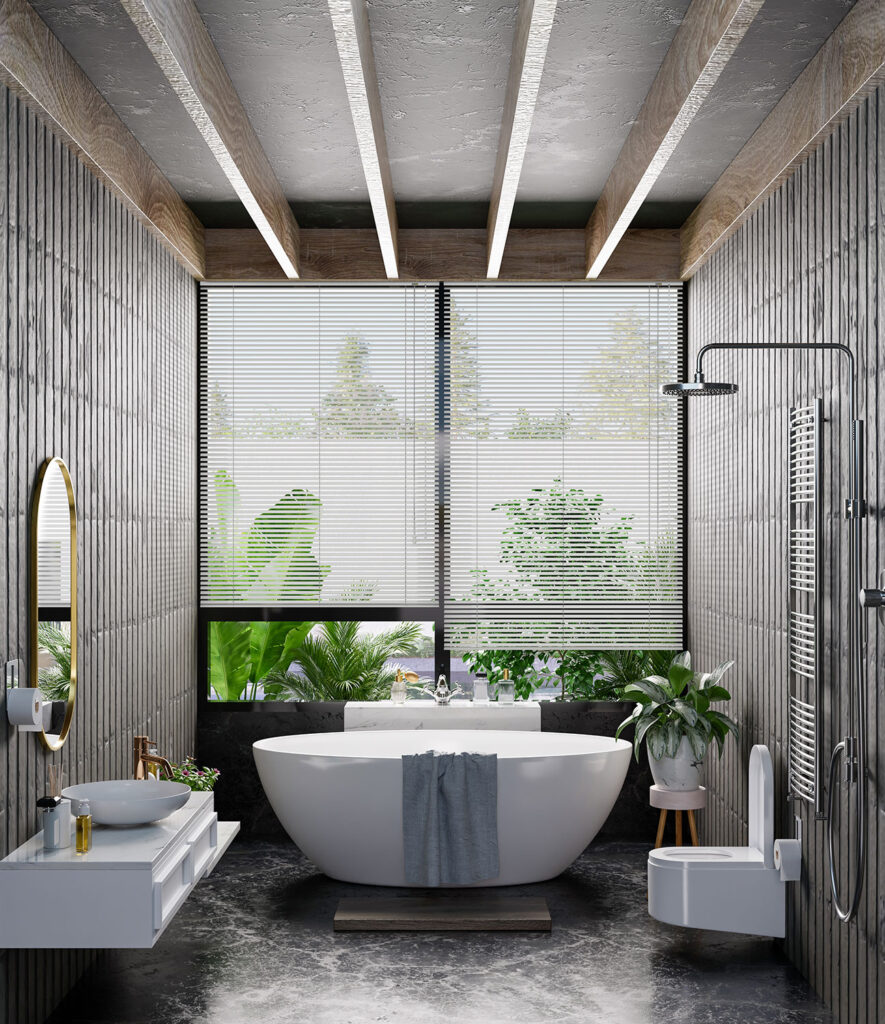
Faux wooden blinds
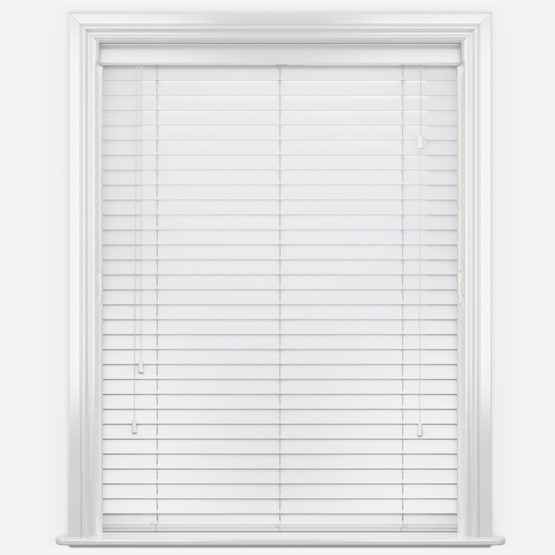
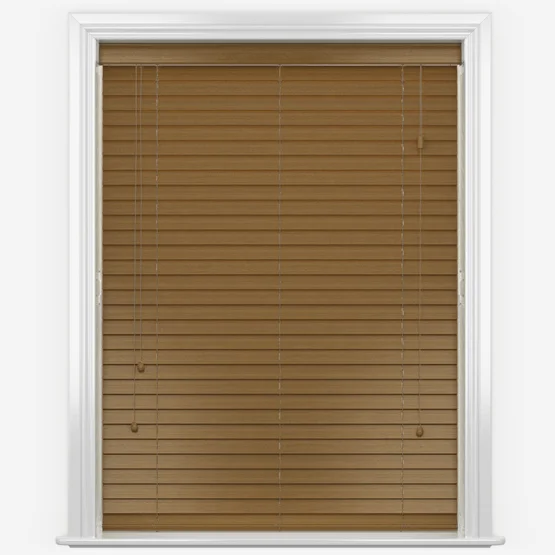
When a space is prone to high levels of moisture, real wood can sometimes warp or crack. To avoid this happening in kitchens or bathrooms, look to faux wooden blinds. Faux wooden blinds provide water resistance, stain resistance and are as easy to clean as real wooden blinds. Faux wooden blinds don’t compromise on style either, they’re just as fashionable, and functional, as their real wood counterparts.
Best rooms for faux wooden blinds – bathrooms and kitchens.
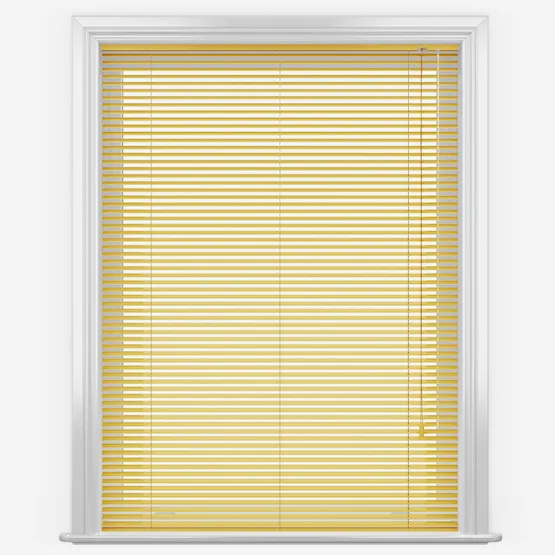
Metal venetian blinds
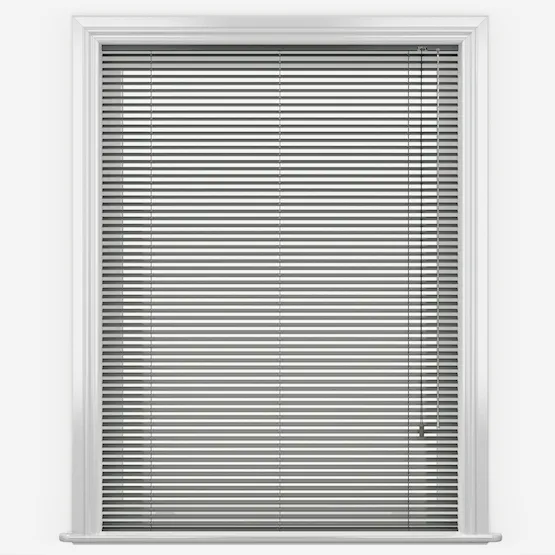
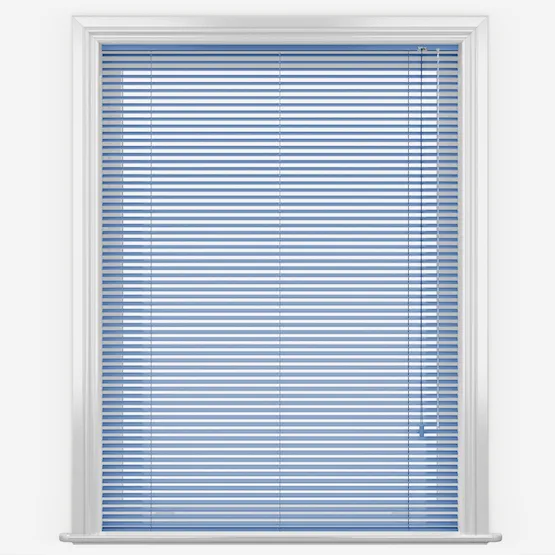
Venetian blinds aren’t limited to real or faux wood. Metal Venetian blinds are built using high quality aluminium which is tough against moisture and wear and tear. The horizontal slats not only make them stylish and sleek, but like their wooden counterparts, they are equally functional too. The slats can be accurately angled to allow for the perfect balance between privacy and light.
Best rooms for metal Venetian blinds – kitchens, bathrooms, and home offices.
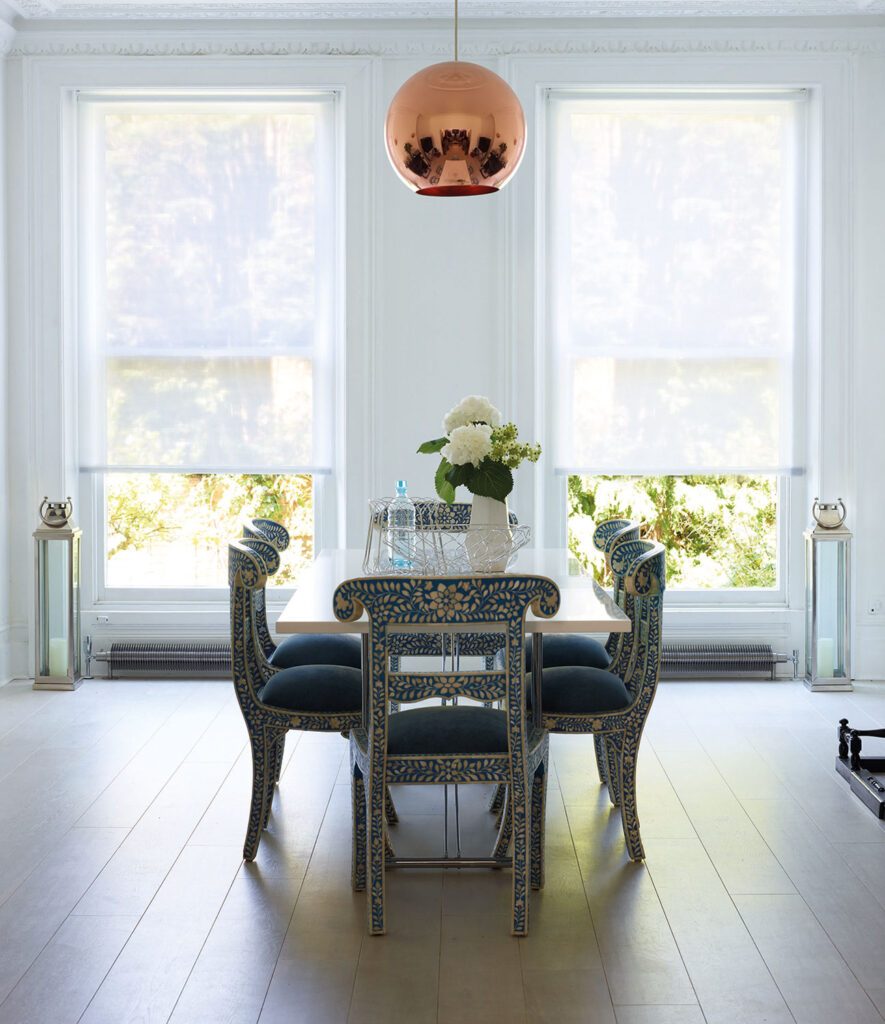
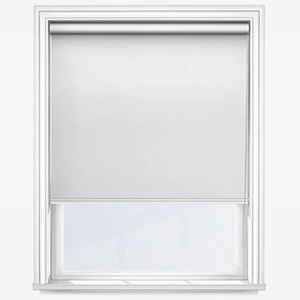
Roller blinds
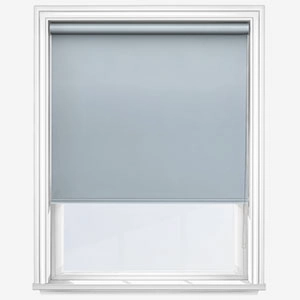
Roller blinds are one of the most popular styles of blinds, enjoyed in thousands of homes across the UK. Their uncomplicated aesthetic makes them a great canvas for colour and pattern, letting style conscious decorators add a touch of their own personalities to their décor with minimal fuss. These blinds contribute a great blend of privacy, light control, and thermal efficiency with blackout, thermal and moisture proof fabrics available to make the most out of your blinds.
Best rooms for roller blinds – bedrooms, bathrooms and living rooms.
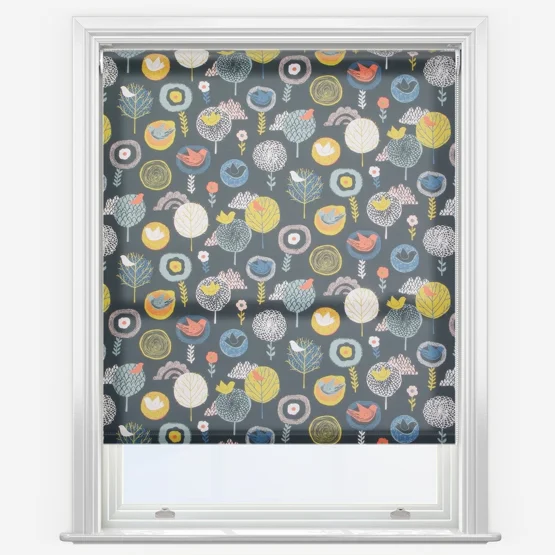
Roman blinds
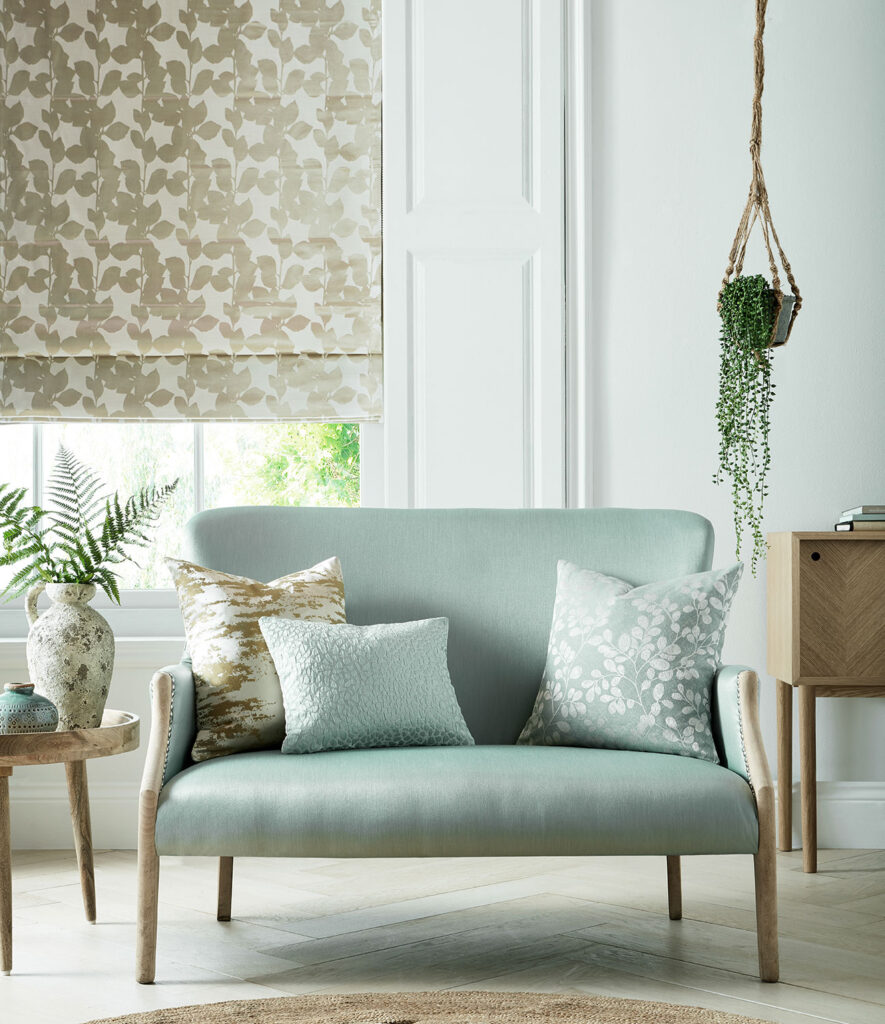
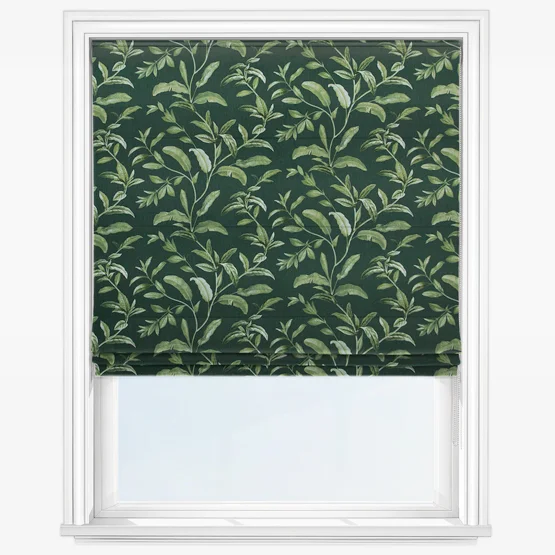
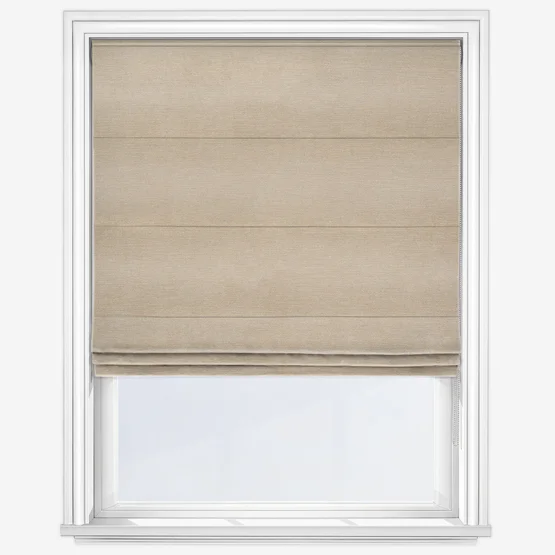
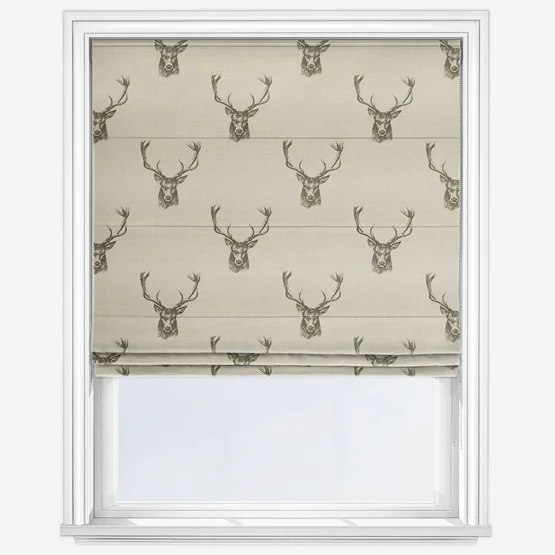
Few blinds can compete with the beauty and sophistication of quality Roman blinds. By fitting one into your window, you can instantly add a feeling of refinement into a space. They are a classy window furnishing and a more compact alternative to curtains available in a wide range of colours, patterns, finishes and materials. These include eco-friendly recycled fabrics which will help you to minimise the impact of your home on the environment. Moreover, the design of Roman blinds allows you to enjoy options including thermal and blackout linings.
Best rooms for Roman blinds – bedrooms, living rooms and dining rooms.
What are the blinds called that go up and down?
Blinds that go up and down are generally called roller blinds or Roman blinds, depending on the style. Roller blinds roll smoothly onto a tube at the top, while Roman blinds fold neatly into horizontal pleats as they are raised.
Illusion blinds
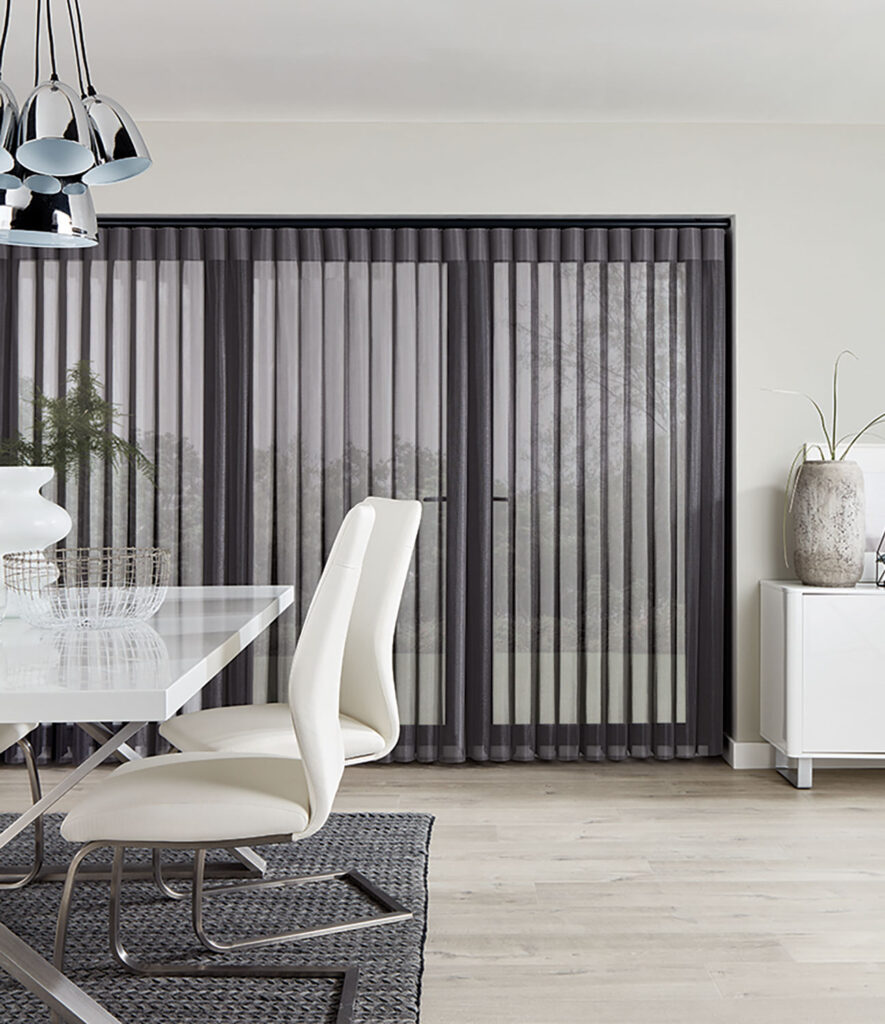
Create functionality and flare in any home with a well-made illusion blind. These stylish blinds are built from a combination of sheer and opaque fabrics which allow daylight to filter into a space while allowing a view to the outside. With the twist of a wand however, the layers come together to deliver total privacy. This versatility makes them an excellent choice for rooms on the ground floor where you may work or entertain during the day, but then relax come the night-time. They look beautiful when set against patio doors, whilst working particularly well for bi-folds.
Best rooms for Illusion blinds – living rooms and dining rooms.
Vertical blinds
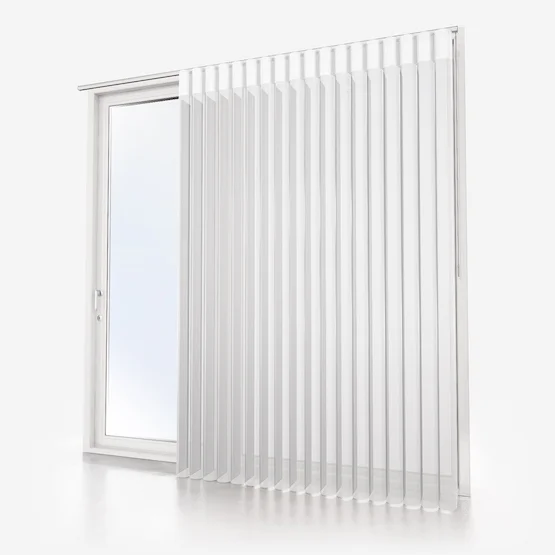
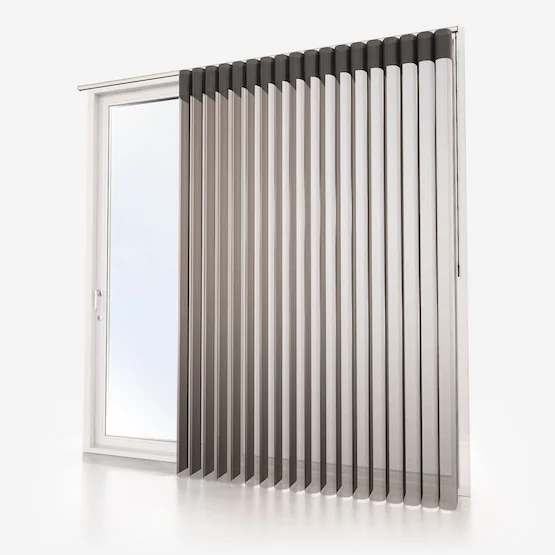
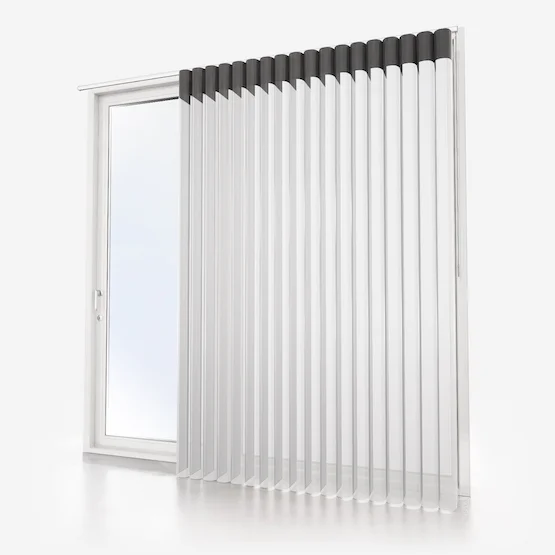
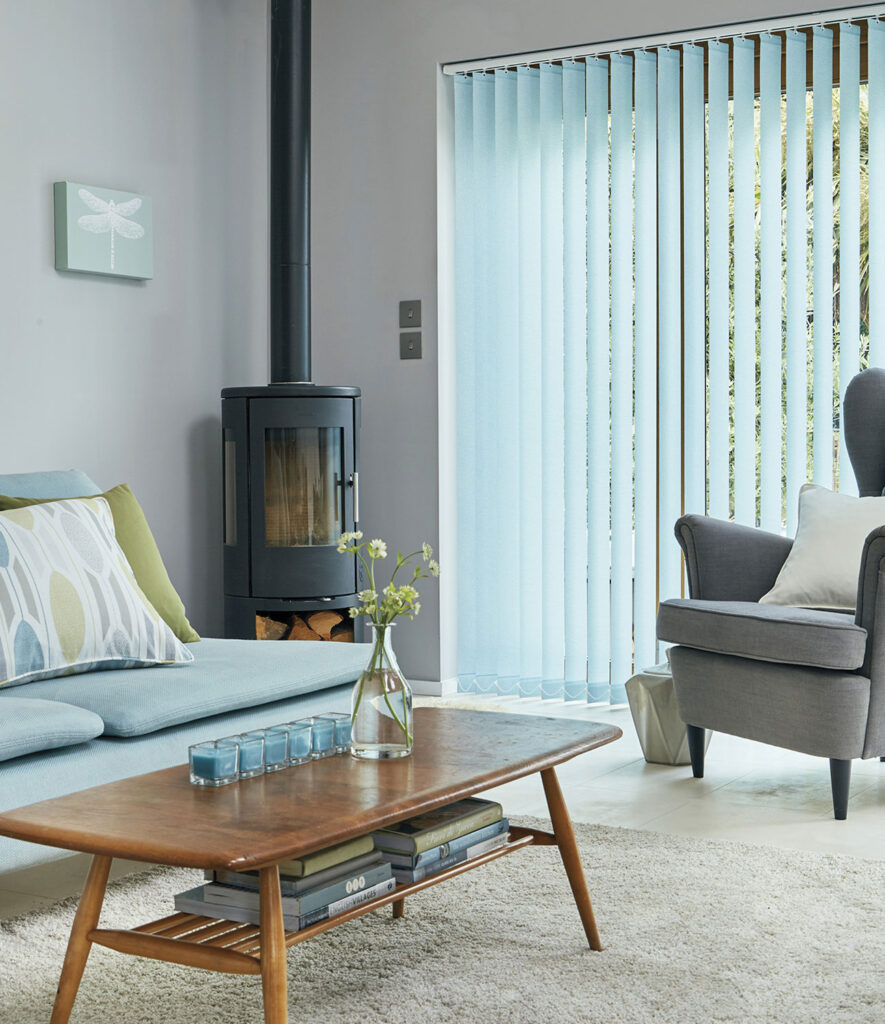
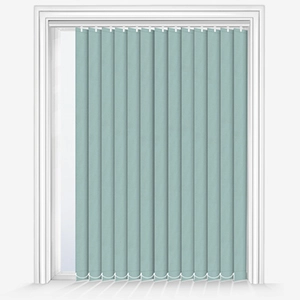
Popular around the world, vertical blinds are a classic choice. The long, sleek slats have been used to great effect in homes and offices alike where flexibility of light control is paramount. In addition to the striking look of these blinds is their functionality. The arrangement and mobility of the slats – sometimes called louvres – provides buyers with excellent levels of light control from total light saturation, through various levels of light filtration to total blackout. Beyond windows, vertical blinds are also an exceptional option for patio doors – just ensure there is enough room at the end of your patio door for the blind to stack neatly!
Best rooms for vertical blinds – kitchens, living rooms and dining rooms.
Day and night blinds
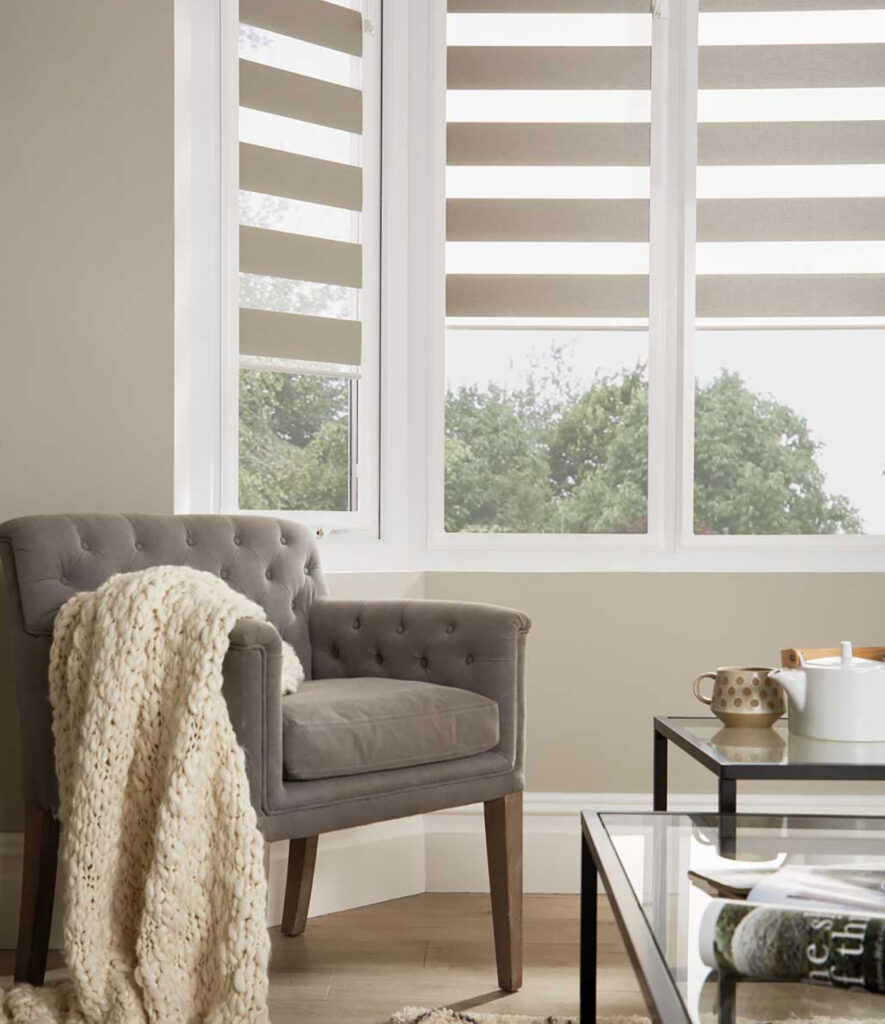
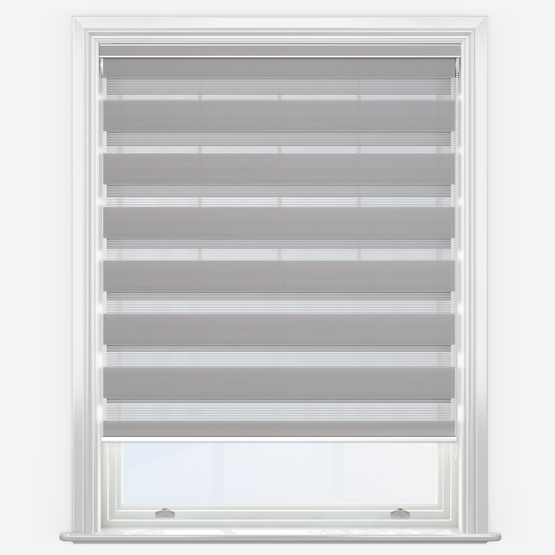
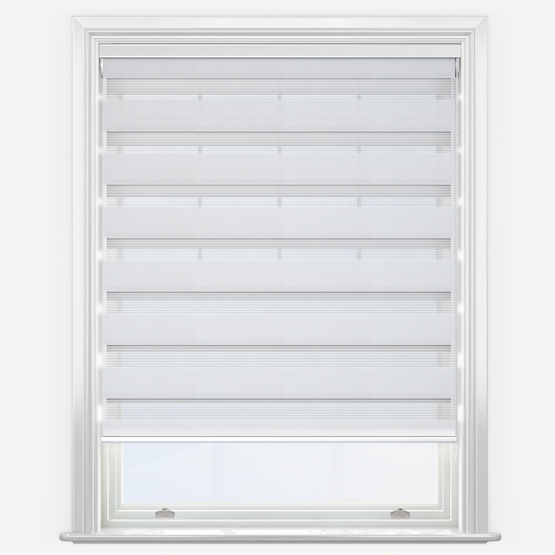
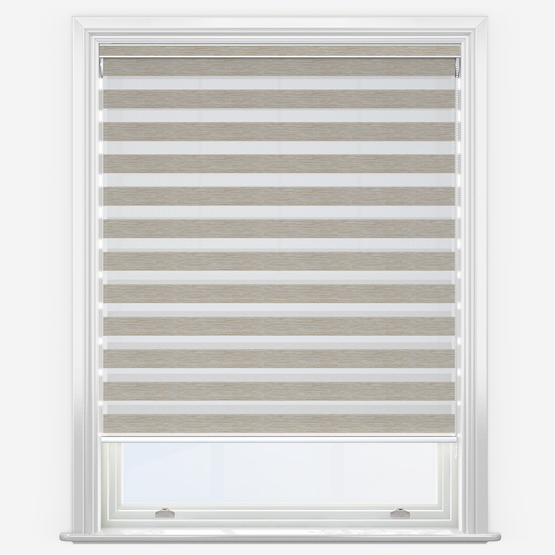
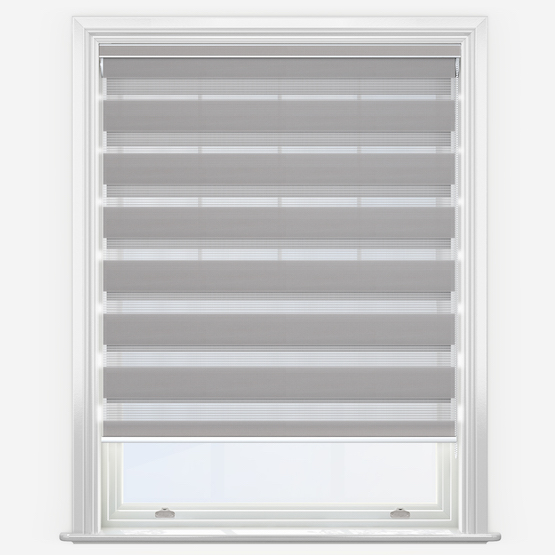
Few blinds offer as much flexibility as Day & Night blinds. These unique blinds, also known as ‘Zebra blinds, feature alternating strips of material that glide against each other, allowing customers to switch between a block colour – for full closure and privacy – and stripes that gently filter the light and views from outside. These stripes also make a space feel contemporary and fashionable in a more subtle way than other alternatives.
Best rooms for Day & Night blinds – living rooms, dining rooms, and home offices.
What are Perfect Fit® blinds?
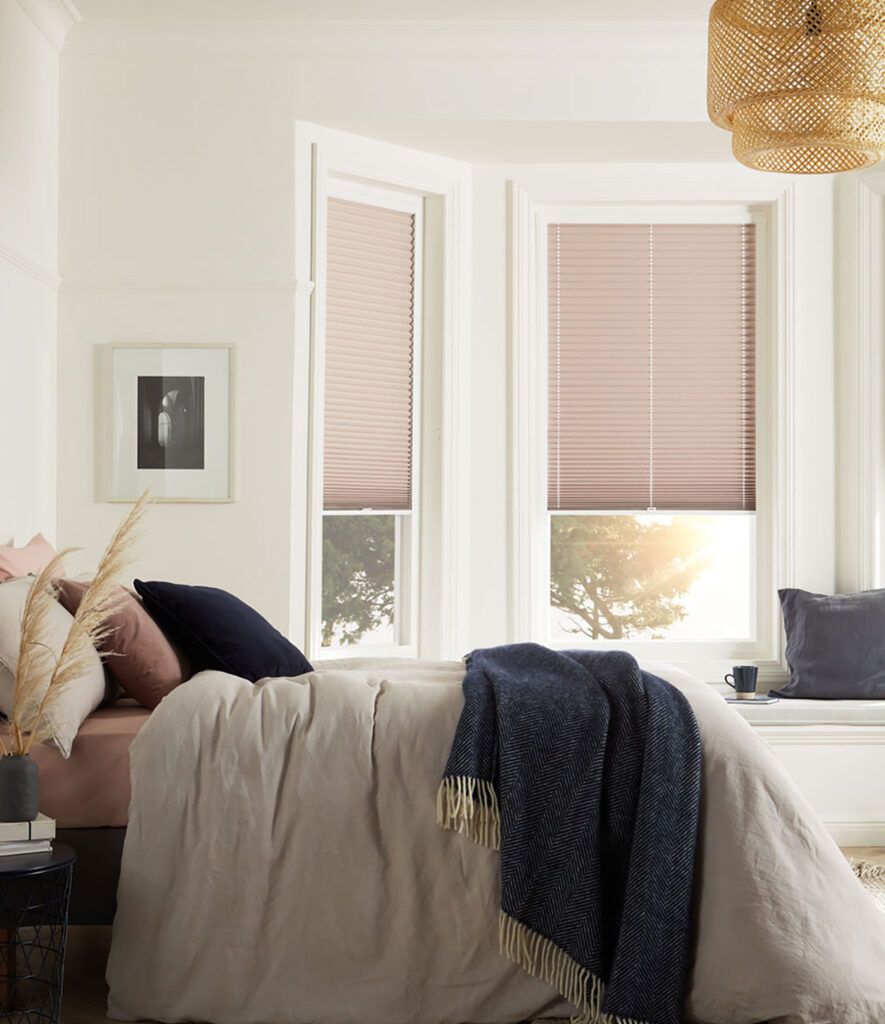
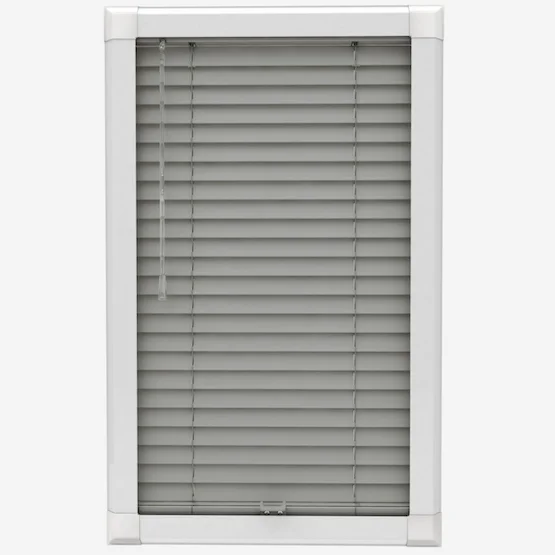
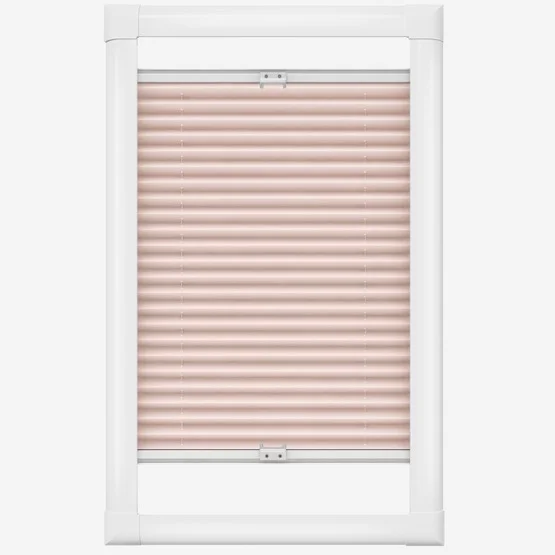
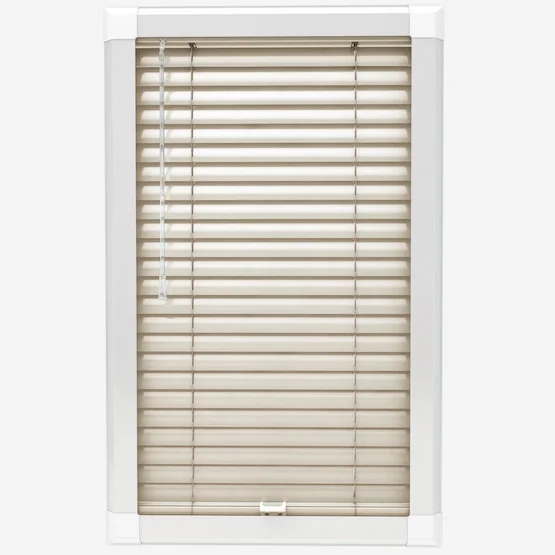
There are different ways in which you can enjoy your blinds, and while many can be easily fitted with a drill, some screws and a bit of elbow grease, you can also consider Perfect Fit® blinds! Perfect Fit® blinds are a very special type of blind. They feature a unique frame that allows them to clip easily into a uPVC window frame without the need for drills or screws. What’s more, by fitting into the window or door frame, they move as a part of it. You can enjoy many of the types of blinds mentioned in our blog in Perfect Fit® format.
Types of blinds for Perfect Fit® – roller blinds, wooden blinds, metal Venetian blinds and pleated blinds.
Electric blinds upgrade
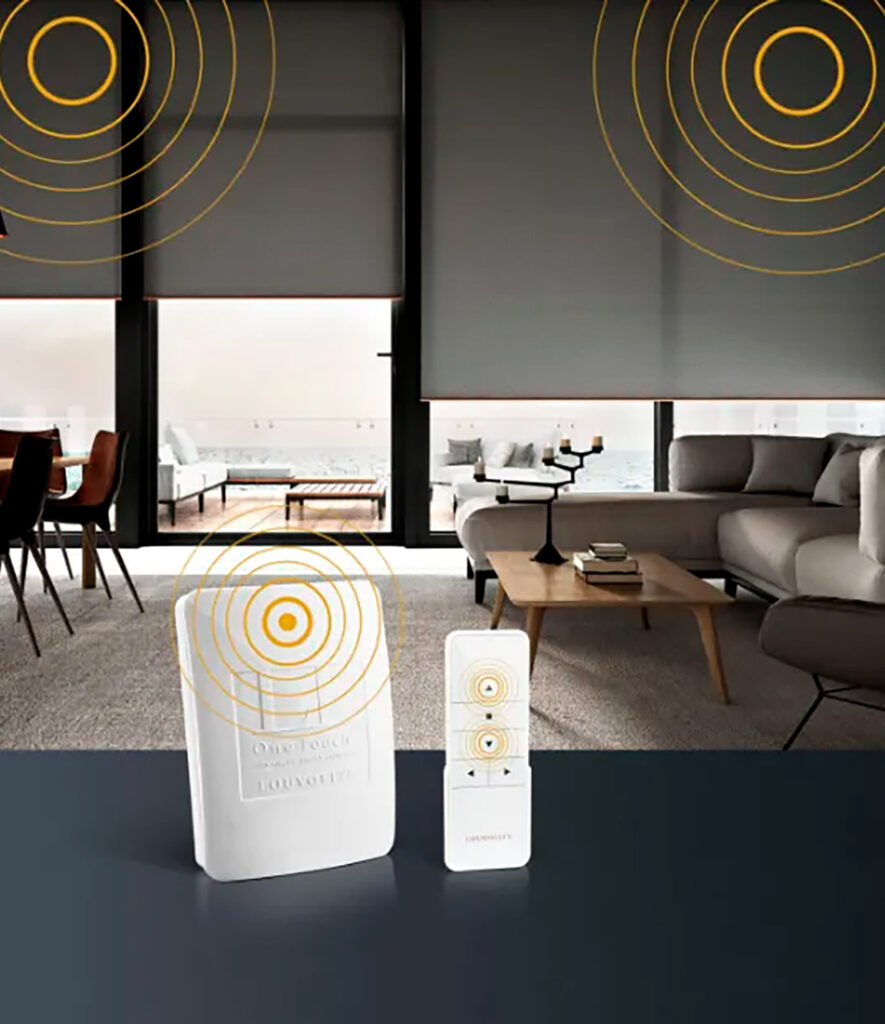
Electric blinds are an amazing addition to a great many spaces. Electric blinds will help you enjoy light from outside, and a striking aesthetic from your blinds with minimal effort. Raising your blinds with the press of a button is both very easy, and pretty cool!
Which blinds can be motorised? – day and night blinds, roof blinds and roller blinds
What are the most popular types of blinds?
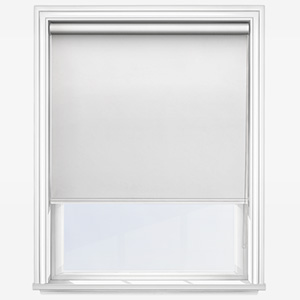
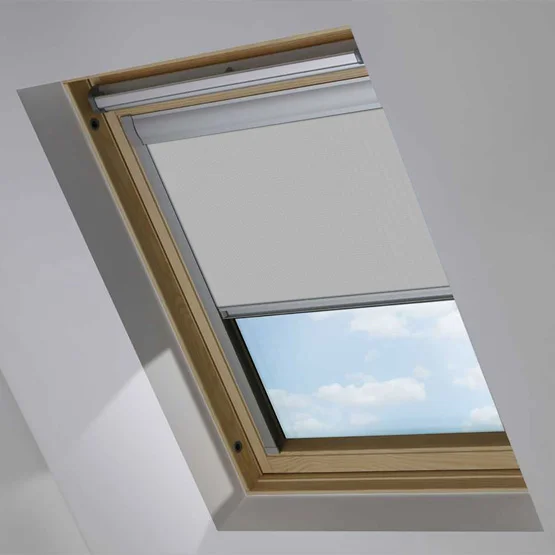
The most popular types of blinds are wooden and aluminium Venetian, Roman, Roller, Vertical, and Day and Night blinds, which are also our best sellers. Other common options include Shutter blinds, Perfect Fit blinds, Pleated blinds, and Honeycomb blinds.
Finding the right type of blind for your home can feel like a daunting task. That said, it needn’t be! We have created a fantastic range of buyers’ guides which provide a wealth of valuable information about all of our wonderful products – from blinds to curtains, cushions to lamp shades – we have all the knowledge you’ll need to enrich your décor.
Share this post
Other posts you may be interested in
The Benefits Of Perfect Fit® Blinds
By Ana Zuravliova
What To Do With Old Blinds And Curtains
By Ana Zuravliova
The Benefits Of Perfect Fit® Blinds