BD 2025
Sleep Study
Early Bird VS Night Owl
Sleep is essential for your physical health, mental wellbeing, relationships—and productivity. To sleep well, you need to align with your body's natural circadian rhythm and understand what routine works best for you.
Most of us are either "early birds," who wake up feeling alert and productive in the morning, or "night owls," who hit their stride later in the day.
We surveyed 2,000 UK adults to explore how these sleep styles affect daily life, productivity, and even how well couples sleep together.
What Did We Discover?
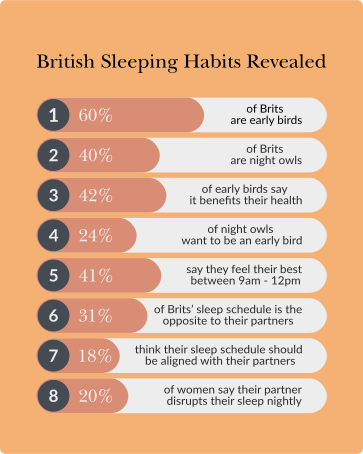
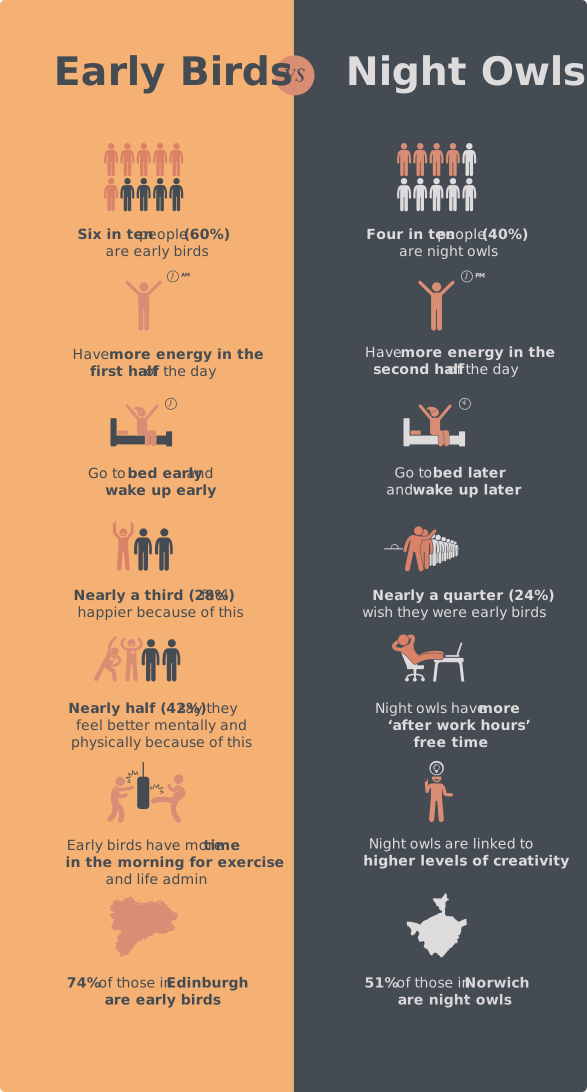
Our survey found that 60% of Brits identify as early birds, while 40% say they're night owls.
Early risers may have good reason to be smug—28% say their routine makes them happier, and 42% report benefits to both mental and physical health.
And the appeal is growing: nearly a quarter of night owls admit they wish they were early birds.


The Rise of the 'Sleep Divorce'
Nearly a third (31%) of Brits say their sleep schedule doesn't match their partner's—despite 18% believing alignment is important.
For some, it goes beyond inconvenience: 20% of women say their partner disrupts their sleep every night, compared to 11% of men. And sleep disagreements can cause friction—18% of women admit to arguing over it, versus just 8% of men.
That's where the idea of a 'sleep divorce' comes in—couples sleeping separately to accommodate different routines. Far from being a sign of trouble, it can help improve sleep, health, and even strengthen the relationship.
How can couples make it work?
1. Prioritise 'Us Time'
Even if you go to bed at different times, spending 30-60 minutes together in the evening—chatting, reading, or relaxing—can strengthen emotional connection.
2. Create a Sleep-Friendly Space
Simple solutions like blackout curtains, white noise, earplugs, or sleep masks can reduce disruptions caused by mismatched routines or habits.
3. Sleep Apart, Stay Close
Sleeping separately a few nights a week isn't a red flag—it can improve sleep, reduce tension, and help couples feel more rested and connected.

The Top Ten Strategies for Sleeping Soundly
In a bid to find out the ways in which Brits aid a good night's rest, we uncovered the top 10 preferred methods:
- Having a cooler temperature room - 49%
- Blocking out natural light - 45%
- Minimising noise as much as possible - 44%
- Maintaining a consistent bedtime and wakeup routine - 39%
- Having freshly washed bedding - 28%
- Reading a book before bed - 22%
- Keeping the bedroom tidy and clutter free - 21%
- Having a warmer temperature room - 15%
- Keeping screens out of the bedroom - 13%
- Using smart home tech such as automated blinds, light dimmers or sleep trackers - 10%
To keep your bedroom cool, try keeping blinds or curtains closed during the hottest part of the day.
Sunlight streaming through windows can quickly raise indoor temperatures, especially during warmer months.
For an extra layer of insulation, opt for thermal fabrics or linings—designed to help block heat and maintain a cooler, more comfortable sleeping environment.
Owl city or lark land?
We explored regional trends to see where early birds and night owls are most common—and found the top cities for early risers are:
- Edinburgh - 74%
- Belfast - 74%
- Bristol - 71%
- Birmingham - 67%
- Nottingham - 61%
The top cities of night owls are:
- Norwich - 51%
- Southampton - 48%
- Sheffield - 46%
- Newcastle - 45%
- Leeds - 44%

Pros and cons of being an early bird
The Perks
Early risers often report greater happiness and wellbeing. With fewer distractions in the morning, there's more time for exercise, planning, and even a healthy breakfast—setting a positive tone for the day. Quiet mornings can also reduce stress and boost productivity.
The Downsides
Early starts can cut into evening downtime, especially after work. If it doesn't match your natural rhythm, rising early may lead to sleep deprivation, lower mood, and reduced focus. You might also miss out on evening sunlight and social time.


Pros and cons of being a night owl
The Positives
Late nights offer quiet time for reflection and creativity—many artists and thinkers thrive after dark. Night owls also enjoy flexibility, spontaneous plans, and unstructured evening hours.
The Challenges
But staying up late can mean battling sleep debt. With most of the world running on early schedules, night owls often get less sleep, affecting energy, concentration, and overall health. Creative bursts don't always translate into daytime productivity.
Ultimately, it's about understanding your natural rhythm and how it fits your lifestyle.
Not sure which you are?
Find out using our interactive tool here >>
"Understanding whether you're an early bird or a night owl can help you plan your day around your peak energy and focus levels—supporting better productivity, wellbeing, and sleep. Tuning into your natural rhythm, and being mindful of your partner's, can make a real difference to the quality of rest you both get."
- Hannah Shore, Head of Sleep Science at Mattress Online
For more expert sleep tips, visit the team at Mattress Online, the specialists in helping the UK sleep better.

Want to turn those sleep style insights into stylish practicality?
You've seen the survey results - now discover how to create a bedroom that truly works for whether you're an early bird or a night owl. Head over to our blog to explore expert tips and curated product picks that help you choose the perfect window dressings to match your sleep rhythm, all designed to help you wake up ready or drift off in peace.