How To Bring Analogue Living Into Your Home
Over the last few months, a quiet shift has emerged: people are rediscovering the joy of real, physical media and entertainment, stepping back from doom-scrolling and endless hours of screen time. It’s part of a broader desire to “go analogue” – and that shift is now shaping the way we design our homes. Low-tech, wellness-led interiors are on the rise, creating spaces that encourage rest, focus, and real-world connection. In this blog, we’ll explore how to craft rooms that help you switch off, slow down, and truly enjoy being at home.
Table of contents
The shift towards slower living
What does an analogue space look like?
The importance of light and privacy
What does an analogue space look like?
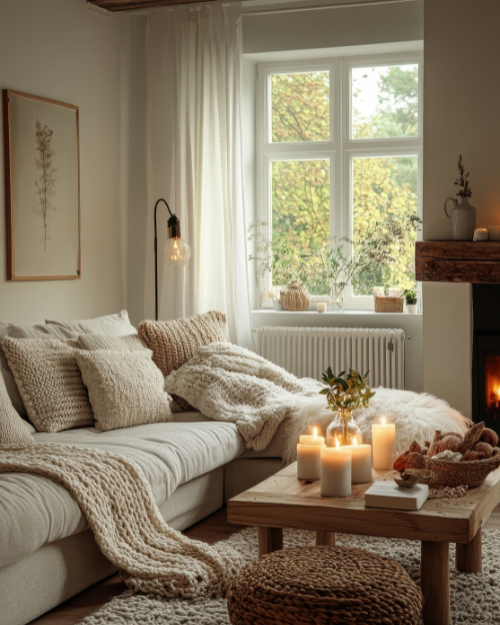
If we’re seeking calm and presence in our daily lives, an analogue space should be the place that allows us to find it. It’s less about what a room contains and more about how it feels – a space that invites you to pause, breathe, and settle in. There are a number of key elements that help achieve this.
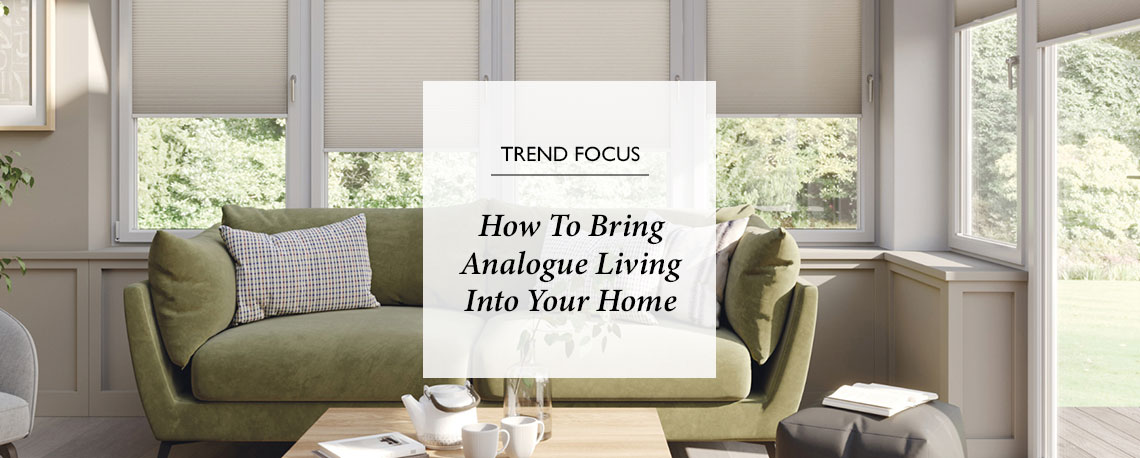
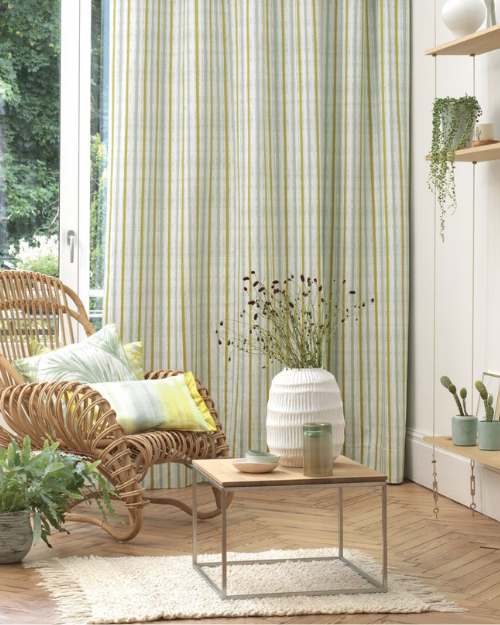
Soft, gentle lighting is central. Lamps that cast warm pools of light, candles that flicker and glow, or sunlight filtered through light, airy fabrics all help create a sense of comfort and ease. Natural textures and materials, such as wood, wool, linen, and cotton, all add depth and a tactile quality. Even simple details, like a woven basket for blankets or a textured rug underfoot, bring the space to life in subtle, grounding ways.
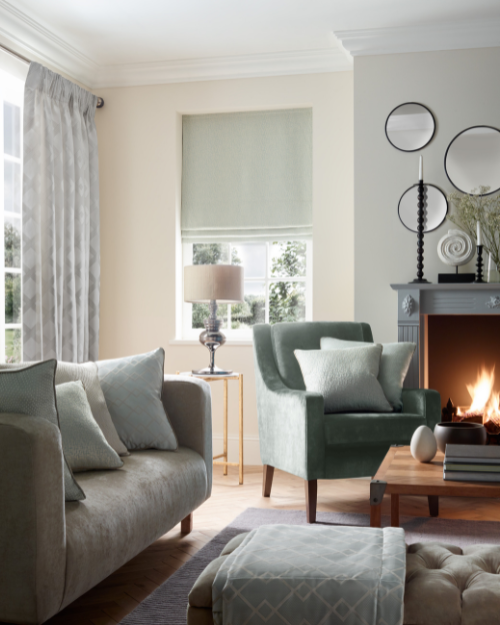
Colour palettes are muted and calming, favouring warm neutrals, soft greens, clay tones, and gentle greys. These shades don’t shout; they soothe, creating a backdrop that encourages focus, rest, or quiet play. Seating is generous and inviting, designed to support lingering: a deep armchair by the window, a sofa layered with cushions, a window seat bathed in natural light.
Meaningful objects are displayed thoughtfully; a stack of books, a carefully curated record collection, a board game ready for use. These aren’t decorative afterthoughts, but invitations to slow down, to interact, and to enjoy something real. Every choice, from furniture to accessories, is about encouraging engagement with the tangible world rather than the digital one.
Creating dedicated ‘switch-off’ areas
You don’t need a large home to embrace slower living – small, thoughtfully designed corners can become sanctuaries from the constant pace of daily life. A reading nook, for example, can be carved from an unused corner. A comfortable armchair, a small side table, and a floor lamp paired with softly filtered light are all it takes. Placing it near a window dressed with light-filtering blinds creates a cocooned feel during the day, while drawing heavier curtains in the evening signals a gentle transition into rest.
A listening corner can offer a similarly immersive experience. Centre it around a favourite chair and a simple speaker or record player, with shelves for albums and warm-toned textiles to soften acoustics. Layered curtains here not only absorb sound but also help visually separate the space from busier areas, making it feel like a world within your home. Even a board game table can become a space for slower living – a place designed for conversation and connection, rather than distraction.
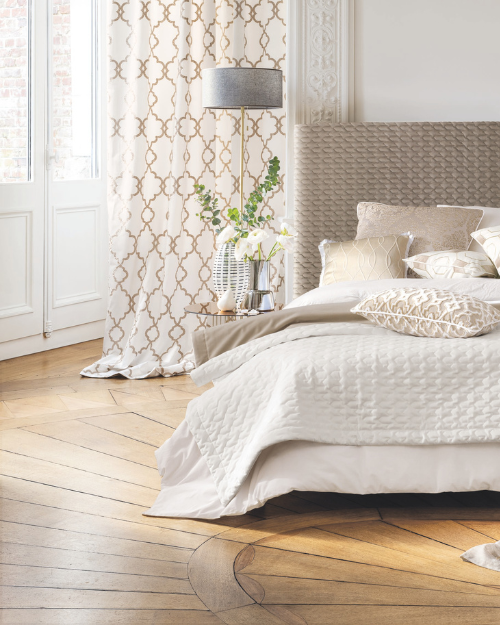
And then there’s the bedroom, perhaps the most important retreat of all. Here, calm interior design principles truly shine. Soft bedroom blinds – especially blackout options – help create the total darkness needed for deep, restful sleep. For added convenience, motorised or smart blinds can be set on a timer, controlled by remote, or even voice-activated, opening and closing automatically to match your schedule.
By defining these ‘switch-off’ areas through lighting, texture, and thoughtful window treatments, you create spaces that feel separate from the faster rhythms of life. Each corner becomes an invitation to slow down, enjoy a moment of stillness, and reconnect with what matters most.
The shift towards slower living
The world is moving faster than ever, and as a society we’ve slowly made ourselves available 24/7, tethered to our phones and devices. Notifications ping, news alerts flash, social media updates compete for our attention – and while staying connected can be convenient, it can also be exhausting.
And it’s not just our phones demanding attention. Even our downtime has become crowded. With countless streaming platforms, subscriptions and on-demand options at our fingertips, the pressure to keep up – to watch, listen, consume – never really switches off. We have more access than ever before, yet this constant noise can leave us feeling overstimulated, indecisive and oddly disconnected, even from the things we once found relaxing.
It’s no surprise then that people are turning toward analogue living. This isn’t about rejecting technology entirely – it’s about balance. It’s about carving out spaces in our homes that encourage rest instead of scrolling, conversation instead of notifications, and focus instead of distraction. This includes reconnecting with the emotional weight of tangible experiences: lowering the needle on a vinyl record, flipping through a photo album, or simply getting lost in a good book.
At the heart of this shift is the atmosphere. The way a room feels matters more than what it does. Homes are gradually becoming retreats from screens and constant stimulation – spaces that feel grounding, tactile, and calm, offering a place to pause and truly be present.
The importance of light and privacy
With so much of our time spent in front of bright screens and artificial glare, the quality of natural light in our homes has never felt more important. Soft, diffused daylight has the power to completely transform a room’s mood, turning harsh brightness into something gentle and restorative. Light-filtering blinds and thoughtfully chosen living room curtains help temper the intensity of the outside world, allowing sunlight to enter in a way that feels calm and balanced.
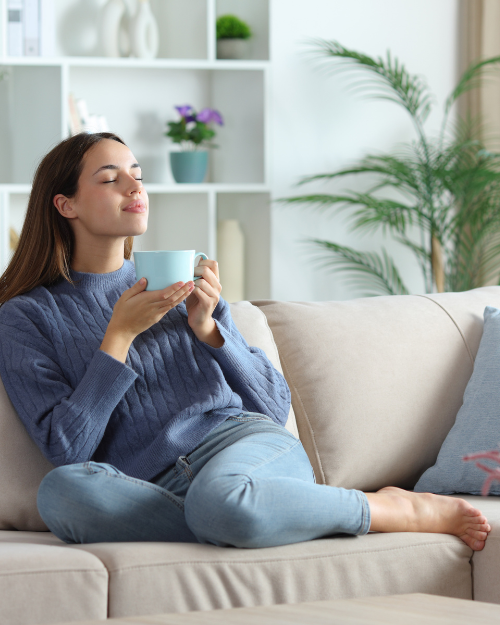
Reducing glare isn’t just about aesthetics but comfort too. When light is softened, the eyes can rest. Focus deepens, whether you’re turning the pages of a novel, writing in a journal, or simply sitting quietly with a cup of tea. The atmosphere becomes less stimulating and more supportive, encouraging you to stay present a little longer.
Privacy plays an equally important role. A room cannot fully relax you if it feels exposed. Bedroom blinds that gently block out early morning light, layered curtains that soften street-facing windows, and textured fabrics that frame a view all help create a subtle sense of enclosure. It’s not about shutting the world out entirely, but about establishing a boundary.
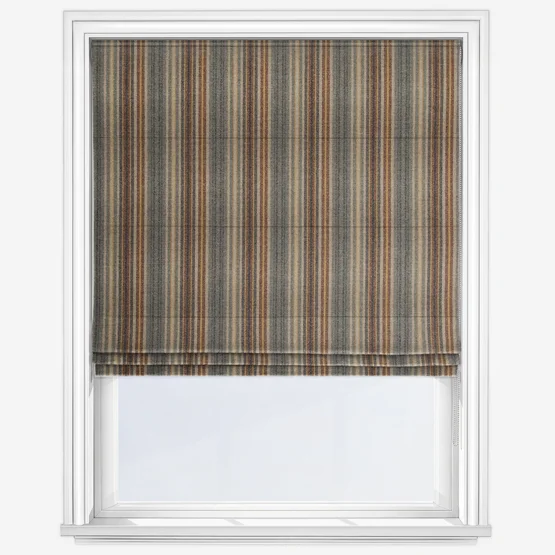
Layering is where the magic truly happens. Sheer fabrics paired with heavier drapes offer flexibility, letting light shift naturally from bright mornings to cosy evenings. Roman blinds in woven, tactile materials introduce subtle structure while maintaining softness. Together, these elements do more than cover a window – they absorb sound, add warmth, and shape the mood of a room. Styled with intention, windows help cultivate a sense of stillness, creating the kind of atmosphere where slower living can flourish.
A space to be truly present
An analogue home is not just about recapturing the nostalgic simplicity of our childhood – it’s about intention. It’s a home where textures soothe the senses, soft fabrics invite touch, and layered finishes create warmth. Every element contributes to a space that encourages calm and focus.
These environments should also invite you to slow down and be fully present – with a book, with music, with family, or simply with your own thoughts. By designing for stillness, we create more than beautiful rooms; we create homes that nurture wellbeing, restore energy, and support the rhythms of real life.
The best part is that you don’t need a grand renovation or a perfect home to achieve this. With intention and thoughtful choices anyone can create a sanctuary that feels like a retreat. Sometimes, the most powerful change we can make is also the simplest: to design a room that encourages us to switch off and stay awhile. A home like this doesn’t just house our lives – it helps us live them more thoughtfully, more peacefully, and more fully.
It may feel like a long time since the only phone in the house sat in the kitchen, and watching the latest film meant a trip to the local Blockbuster, yet the spirit of those slower, more intentional moments can still be brought into your home.
Explore our collection of curtains and blinds, or request a free sample to feel the textures yourself – and take the first step toward creating your own analogue sanctuary.
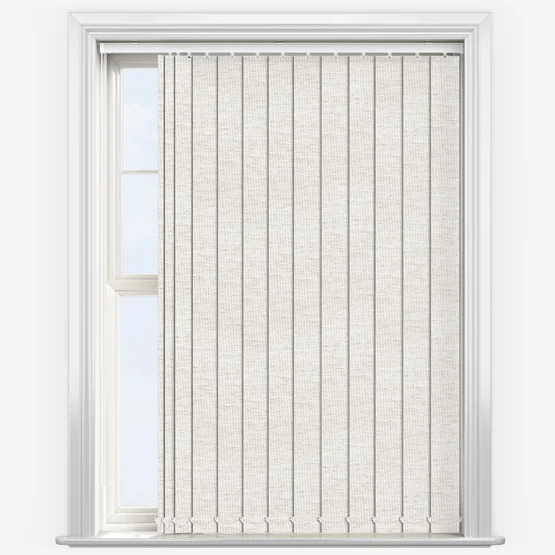
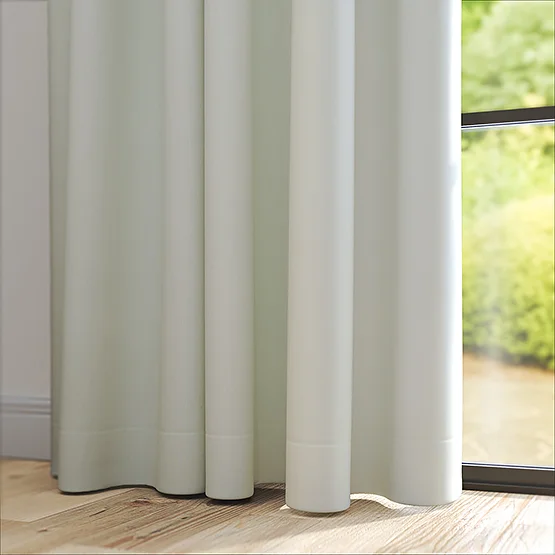
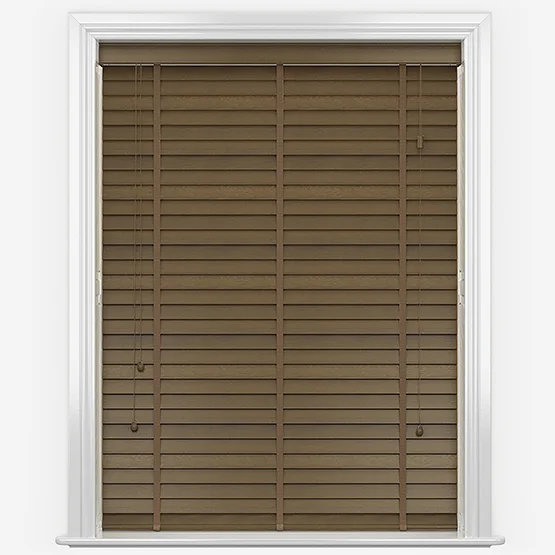
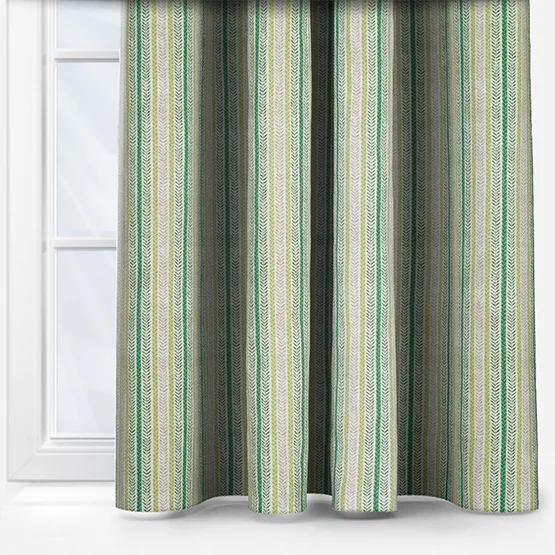
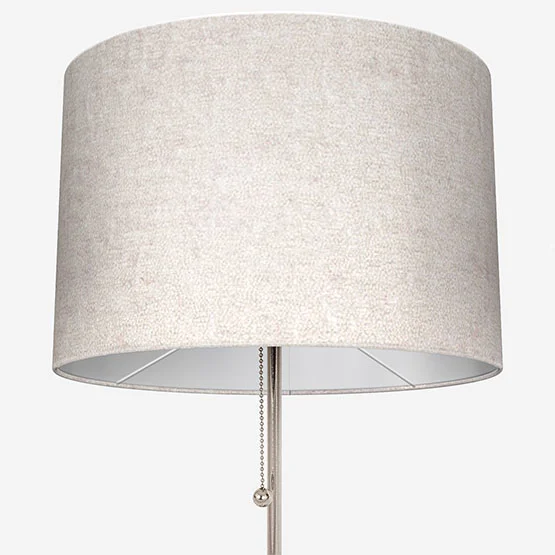
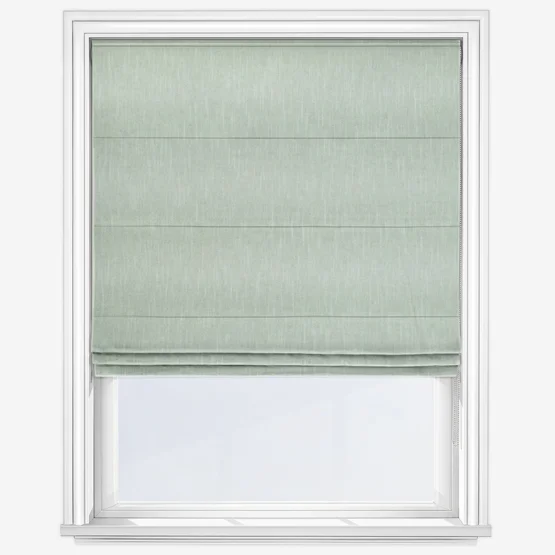
Shop the perfect Analogue Home products:

Other posts you may be interested in:
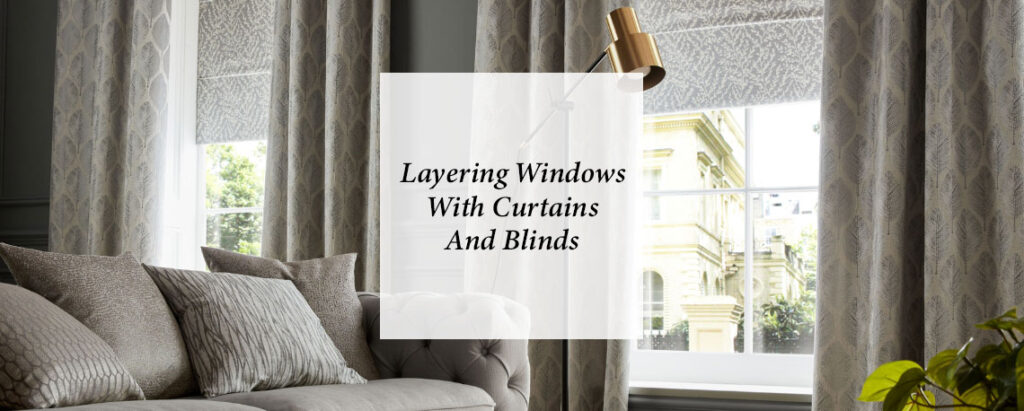
Layering Windows with Curtains and Blinds
Windows are a great place to start when you want to make a room feel cosy. Adding layers with curtains and blinds gives a warm, finished look. In this blog, we’ll share ways to layer your windows and show how to use layering in other parts of your home too. A few layers of furniture, rugs, and cushions can make any room feel welcoming, personal, and full of life.
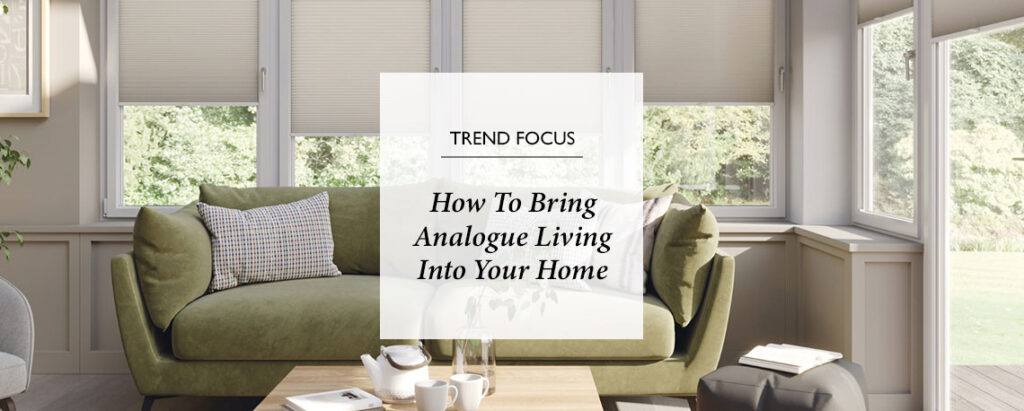
How To Bring Analogue Living Into Your Home
The shift toward slower, more intentional living focuses on creating calm, screen-free spaces that encourage rest, connection, and wellbeing. Through soft lighting, privacy, layered textures, and thoughtful design choices, homes can become peaceful retreats that support a more mindful and balanced lifestyle.
Browse our buyers guides
Our collection of window furnishings and homeware is defined by quality and craftsmanship. We’re confident we can provide you with the perfect product for your home, no matter your requirements. From moisture proof and stain resistant blinds for bathrooms, to blackout blinds and personalised pieces for kids’ rooms…
Share this post
Other posts you may be interested in

Somewhere Beyond The Sea
By Ana Zuravliova

Water-Inspired Decor: How to Create a Calming, Fluid Home
By Kellie Mason
Somewhere Beyond The Sea